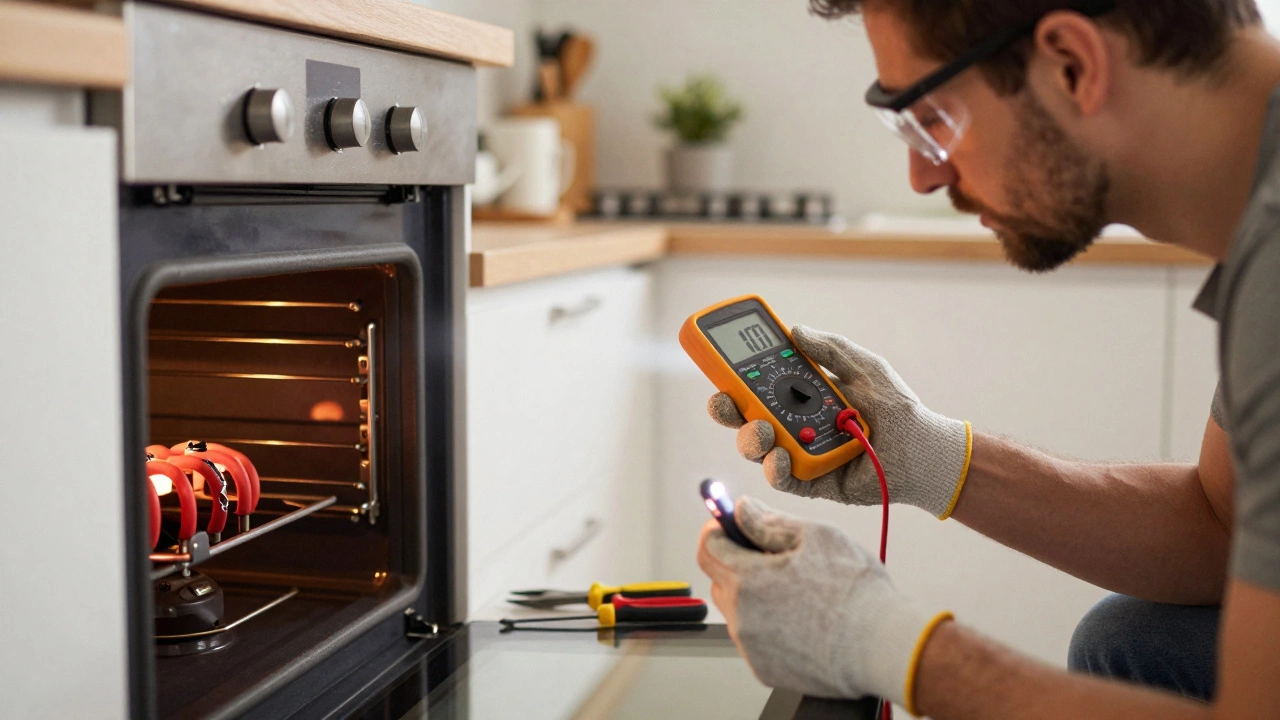
Learn whether you can safely repair your own electric oven with simple tools and basic knowledge. Save hundreds by fixing common issues like heating elements and sensors yourself - or know when to call a pro.

If your electric oven is acting up, you don’t have to panic. Most problems are easy to spot and fix, and a little regular care can add years to its life. Below you’ll find the most common issues, quick DIY checks, and clear signs that it’s time to call a qualified technician in Nuneaton.
Oven won’t heat. First, make sure the oven is actually getting power. Check the circuit breaker and any local fuse. If the breaker trips, a short somewhere in the oven may be the culprit – that’s a job for an electrician.
Next, look at the heating elements. They’re the shiny coils at the top and bottom of the cavity. A visual inspection can reveal cracks or burnt spots. If one looks damaged, replace it – they’re inexpensive and simple to swap with a screwdriver.
Uneven cooking. This often means the thermostat is off. You can test it with an oven thermometer; if the temperature is consistently low or high, the thermostat may need recalibration or replacement. Many models let you adjust the thermostat via a control panel, but if the reading stays off, call a pro.
Strange odors or smoke. Food residue can burn and create nasty smells. Clean the interior regularly: remove racks, wipe down walls with a mild detergent, and clean the drip tray. If smoke persists, there might be grease buildup on the heating element – turn off the oven, let it cool, and gently clean the element with a soft brush.
Door won’t close properly. A warped or broken door seal lets heat escape, causing longer cooking times. Inspect the rubber gasket for cracks. If it’s damaged, replace the seal; most manufacturers sell kits that snap into place.
DIY works for many surface-level issues, but some problems need a qualified technician. If you notice any of these, pick up the phone:
Professional repair ensures safety and compliance with UK wiring regulations. Our Nuneaton team can diagnose the fault, source genuine parts, and get your oven back to work quickly.
Regular upkeep is the cheapest way to avoid big repairs. Every three months, give your oven a quick clean, check the seals, and run a test bake to confirm it’s heating evenly. This habit catches issues early and saves you from costly service calls.
Remember, a well‑maintained electric oven not only cooks better but also uses less energy – good for your pocket and the planet. If you ever feel stuck, don’t gamble with electricity – call Nuneaton Appliance Repair Experts and let the pros handle it.
Learn whether you can safely repair your own electric oven with simple tools and basic knowledge. Save hundreds by fixing common issues like heating elements and sensors yourself - or know when to call a pro.

When your electric oven stops producing heat, it can throw off dinner plans and cause a lot of frustration. This article breaks down the most common reasons why your oven stays cold, from malfunctioning heating elements to blown fuses. I cover how to check these parts and share some simple fixes you can try yourself. Whether you're handy or just looking to avoid a repair bill, you'll find tips that help you figure out what's wrong. Get ready to tackle your oven issue with confidence.

Wondering if your oven has baked its last batch of cookies? Learn the telltale signs your electric oven might be on its way out, from uneven heating to weird noises and stubborn smells. See when simple repairs make sense versus when it’s smarter just to buy a new one. Get helpful tips for choosing your next oven, plus a few unexpected facts about appliance lifespans. Make your decision with confidence and avoid wasting time or money on a hunk of metal that’s past its prime.

When your oven stops heating properly, it might be time to consider replacing the heating element. In this article, we'll dig into whether this fix is worth it. We'll explore the real costs, what signs to watch for, and how to handle the replacement yourself or safely get a pro's help. With some handy tips and facts, you'll be ready to make a smart decision about your kitchen essential.
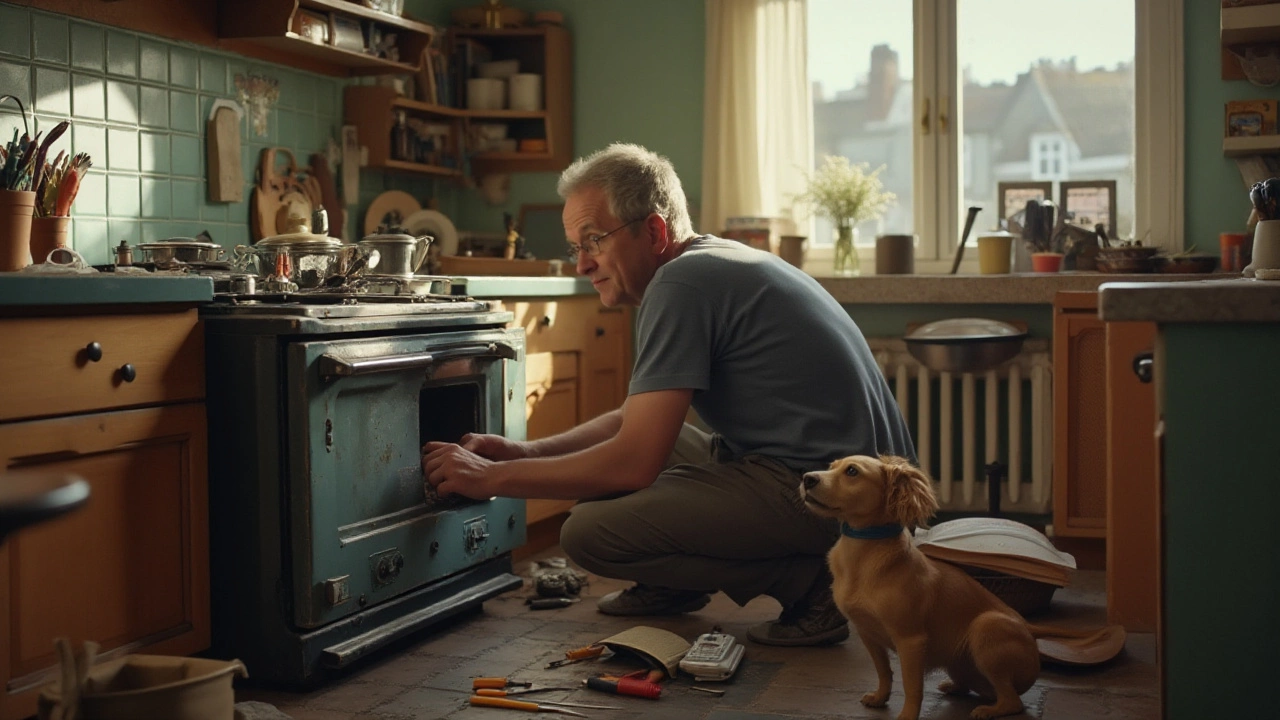
Repairing a 20-year-old electric oven can be a daunting idea, but it may prove to be more feasible than you think. Determining the root cause of the problem and weighing repair costs against replacement can help in making the right decision. With the right approach and a bit of research, maintaining an older oven can lead to extended usage. This article explores whether repairing an older oven is a viable option, breaks down the pros and cons, and offers practical tips for prolonging its life.
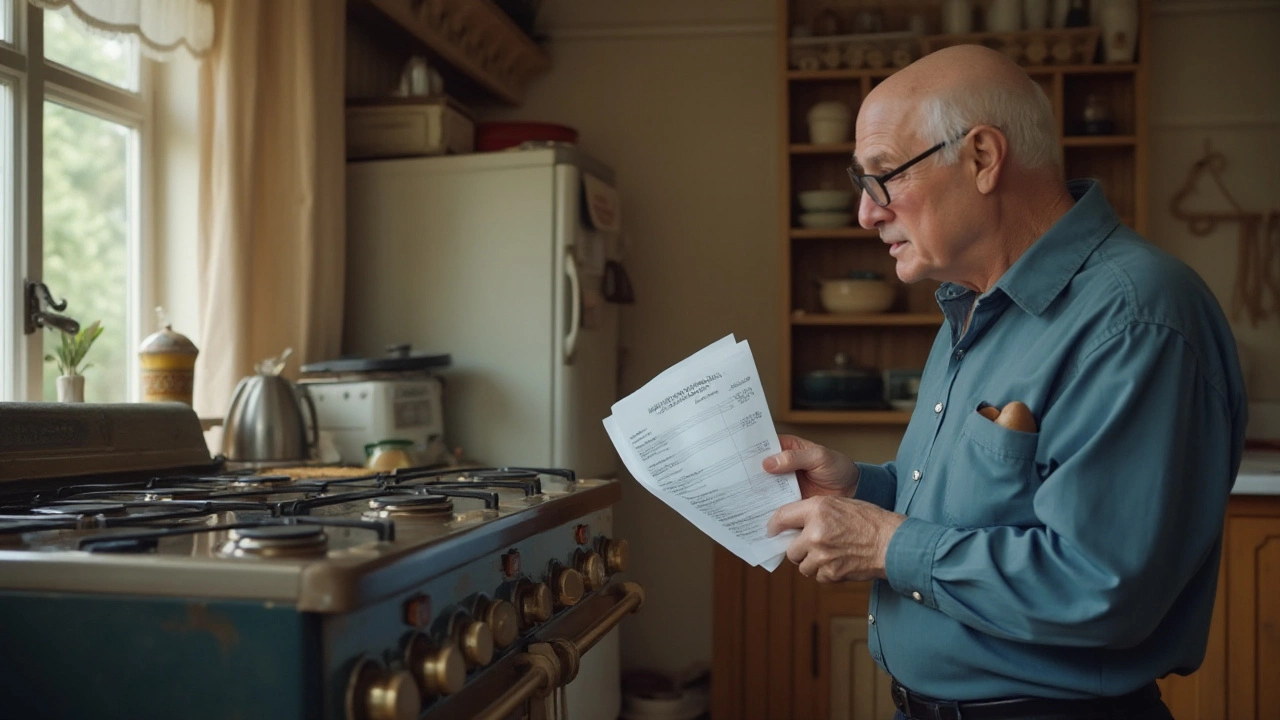
Deciding whether to repair a 20-year-old electric oven involves weighing the cost of repairs against the convenience and features of newer models. Understanding common repair issues, costs, and the benefits and drawbacks of keeping an older appliance can help make an informed decision. Consider energy efficiency, spare parts availability, and personal attachment to make the right choice for your kitchen.
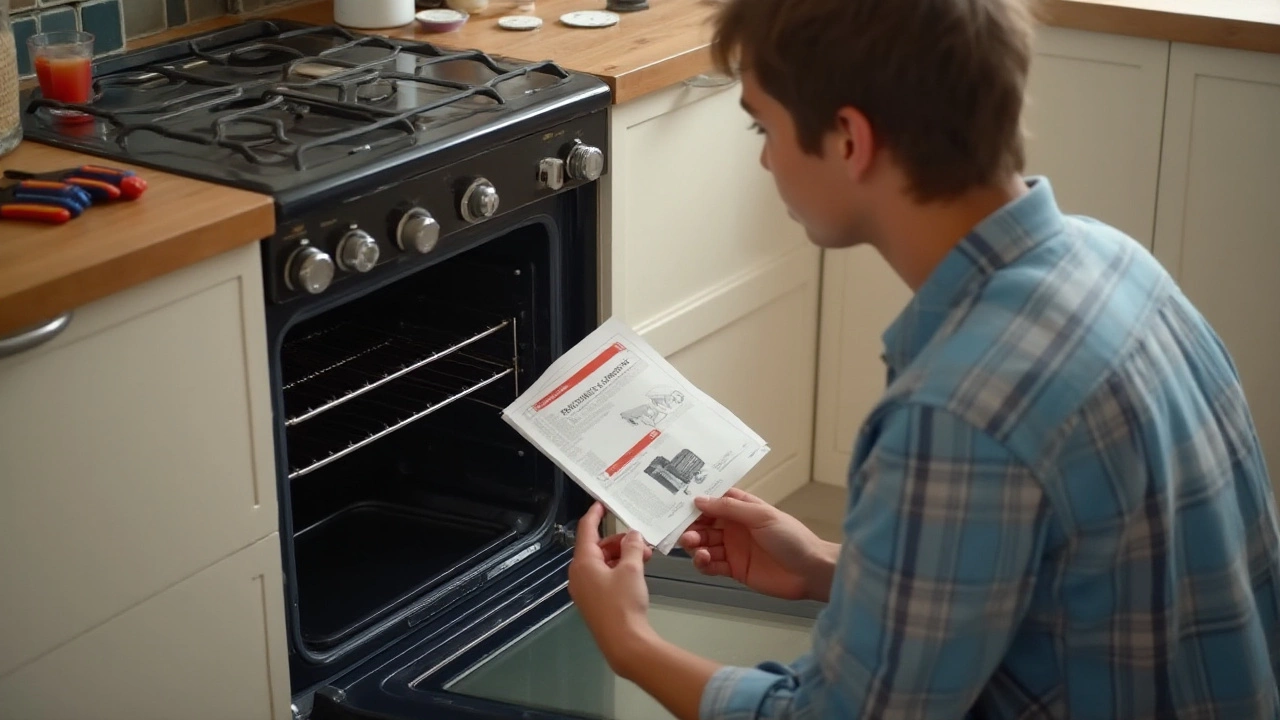
Replacing an electric oven element can be a straightforward task for the DIY enthusiast. However, it's important to understand the costs involved to avoid any surprises. This guide breaks down the typical expenses associated with replacing an oven element, including parts and labor, and offers practical tips to help you decide if you should tackle the job yourself or hire a professional. With clear insights, you'll be better equipped to budget for this common household repair.

Diagnosing problems with your electric oven can save you time and money. From understanding power supply issues to recognizing faulty heating elements, this article guides you through common electric oven problems and their solutions. Learn how to spot malfunctioning thermostats, misaligned door seals, and more. Empower yourself with knowledge to tackle minor repairs before calling in the professionals. Keep your kitchen running smoothly and meals perfectly cooked with these practical tips.