
- 3 Aug 2026
- Gideon Thornton
- 0
Pressure Cooker Safety Risk Assessor
Ready to Assess
Fill out the checklist to determine your current safety risk profile and get specific prevention tips.
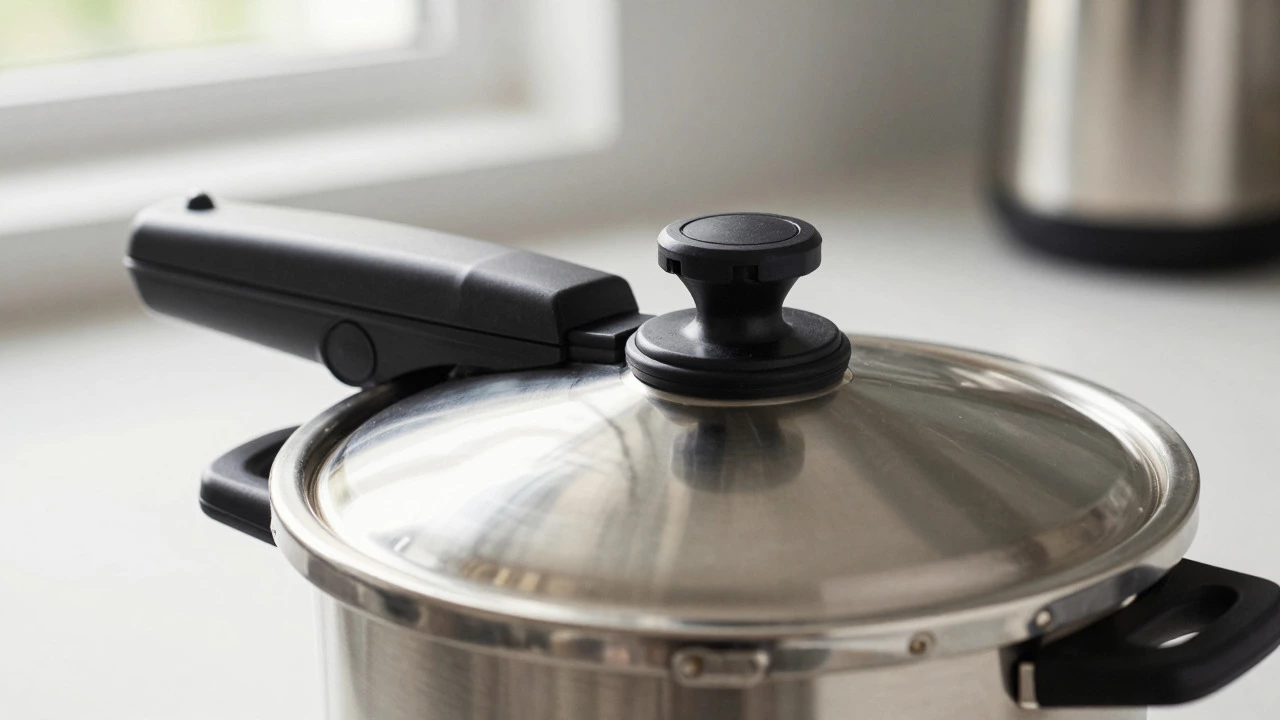
Imagine the sound of a small explosion in your kitchen. Steam blasts through the room, hot food splatters across the ceiling, and your expensive pressure cooker is a sealed pot that cooks food faster by trapping steam to raise internal pressure. Also known as pressure vessel, it relies on precise engineering to keep that heat contained. lying in pieces on the floor. It’s a nightmare scenario for any home cook. While modern pressure cookers are incredibly safe, they aren’t indestructible. When they fail catastrophically-what we call a "burst" or explosive release-it’s rarely random bad luck. It’s almost always a chain of specific mechanical failures combined with user error.
If you’ve ever wondered why this happens, or if you’re worried about your own appliance, understanding the mechanics behind the disaster is the best defense. We aren't just talking about a loose lid; we're talking about the physics of trapped energy going wrong. Let’s break down exactly what causes a pressure cooker to burst, how to spot the warning signs before it happens, and how to fix or replace the parts that matter most.
The Physics of Failure: Why Pressure Builds Up
To understand why a cooker bursts, you first have to understand how it works. A pressure cooker creates a vacuum seal using a rubber ring called a gasket is a flexible seal made of silicone or rubber that prevents steam from escaping the pot. It sits between the lid and the pot body.. As the water inside boils, steam has nowhere to go but up, increasing the pressure. This higher pressure raises the boiling point of water, cooking food much faster. However, that pressure needs an exit strategy. If the exit is blocked, the pressure keeps rising until the metal can no longer contain it.
A burst isn’t usually the metal exploding like a bomb (though it can look like it). More often, it’s the lid being blown off because the locking mechanism failed under extreme stress. The three main culprits here are the gasket, the safety valves, and the sealing surfaces. If any one of these fails, the system is compromised.
Gasket Failure: The Silent Killer
The most common reason for a sudden loss of pressure control is a failed gasket. Over time, the silicone gasket is a heat-resistant rubber seal that degrades with age and high temperatures. It typically lasts between 1 to 3 years depending on usage frequency. loses its elasticity. It becomes hard, brittle, or develops tiny cracks. You might not see these cracks with the naked eye, but under high pressure, steam escapes through them uncontrollably.
When steam escapes unevenly, it can warp the lid or prevent the locking pins from engaging correctly. In some cases, a degraded gasket slips out of its groove entirely. If the gasket dislodges while the cooker is under pressure, the seal breaks instantly. The sudden drop in resistance can cause the lid to pop off violently, spraying boiling contents everywhere. Always inspect your gasket before every use. If it feels stiff or looks discolored, replace it immediately. Don’t wait for a leak.
Clogged Safety Valves and Venting Systems
Every pressure cooker has a primary vent, usually a weighted regulator or a spring-loaded valve, that releases excess steam to maintain a safe pressure level. There’s also a secondary backup valve. If both get clogged, you have a ticking time bomb. Food particles, starch from rice or pasta, and mineral deposits from hard water love to stick to these vents.
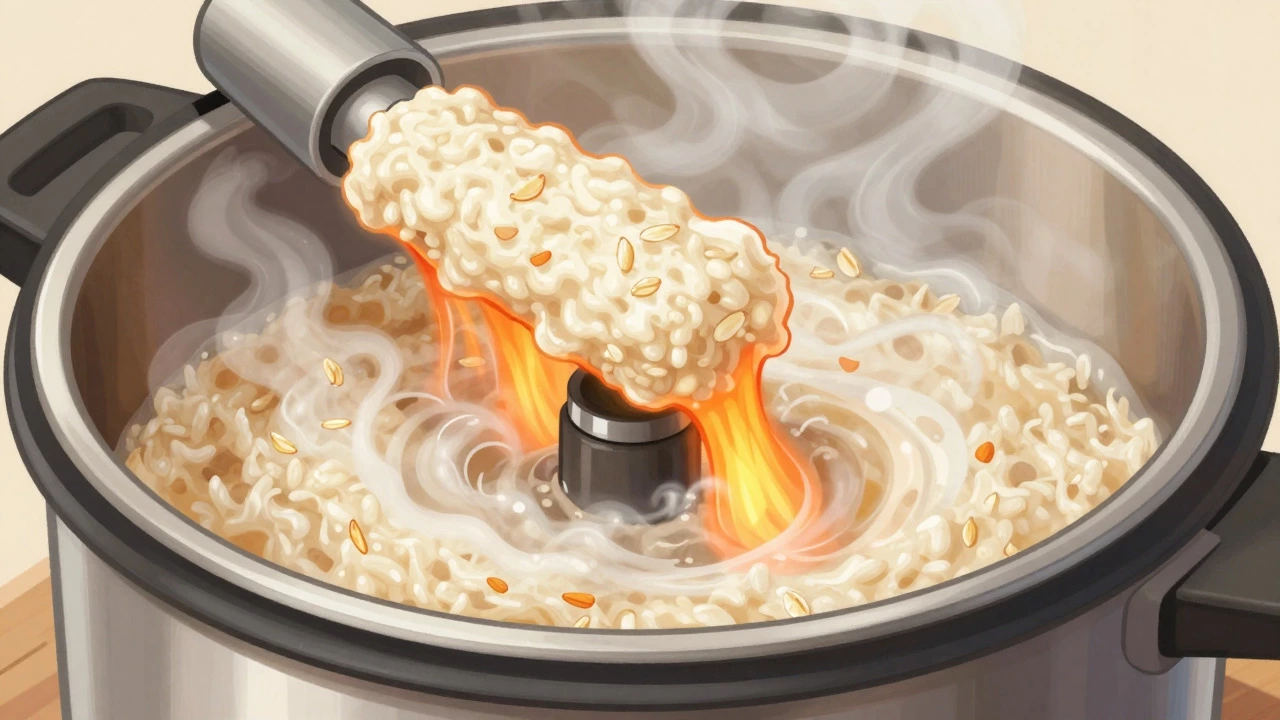
Consider a scenario where you’re cooking oatmeal or risotto. These foods are starchy and foamy. The foam can rise up and block the steam release tube. If the steam release valve is a mechanical device that opens at a specific pressure to let steam escape and regulate internal temperature. It requires regular cleaning to function correctly. is stuck shut due to dried-on food residue, the pressure will continue to climb beyond the design limits. Modern cookers have a fuse plug-a piece of metal designed to melt at a certain temperature-as a last resort. But if that’s also blocked or faulty, the only way out for the steam is through the weakest point: the lid seal.
Overfilling: The Liquid Limit Trap
It sounds simple, but overfilling is a leading cause of accidents. Most manuals state you should never fill a pressure cooker more than two-thirds full for regular foods, and only half-full for expanding foods like beans, rice, or oats. Why? Because liquid expands when heated, and many foods create foam.
If you fill the pot to the brim, there’s no headspace for steam to accumulate properly. The liquid can surge up into the steam vent pipe during vigorous boiling. Once liquid enters the venting mechanism, it can cool the metal temporarily, causing condensation that blocks the flow, or it can simply physically plug the hole. This leads to rapid pressure buildup. Additionally, if food debris gets pushed into the gasket channel by the surging liquid, it compromises the seal, leading to those violent leaks we mentioned earlier.
Damaged Sealing Surfaces and Warped Lids
Pressure cookers are heavy, and they’re often dropped or banged against stove grates. A dent in the rim of the pot or the lid might seem cosmetic, but it’s critical. The seal relies on perfect alignment. If the metal surface where the gasket sits is warped, the gasket won’t compress evenly. This creates gaps.
Even a microscopic gap allows steam to jet out at high velocity. This jet can erode the metal around the lock points over time. In severe cases, the force of the escaping steam can twist the locking handles, preventing them from opening even after the pressure drops. This isn’t a "burst" in the traditional sense, but it’s a dangerous malfunction that can lead to injury when you try to force the lid open. Check the rims for scratches, dents, or discoloration regularly.
Electrical Failures in Electric Models
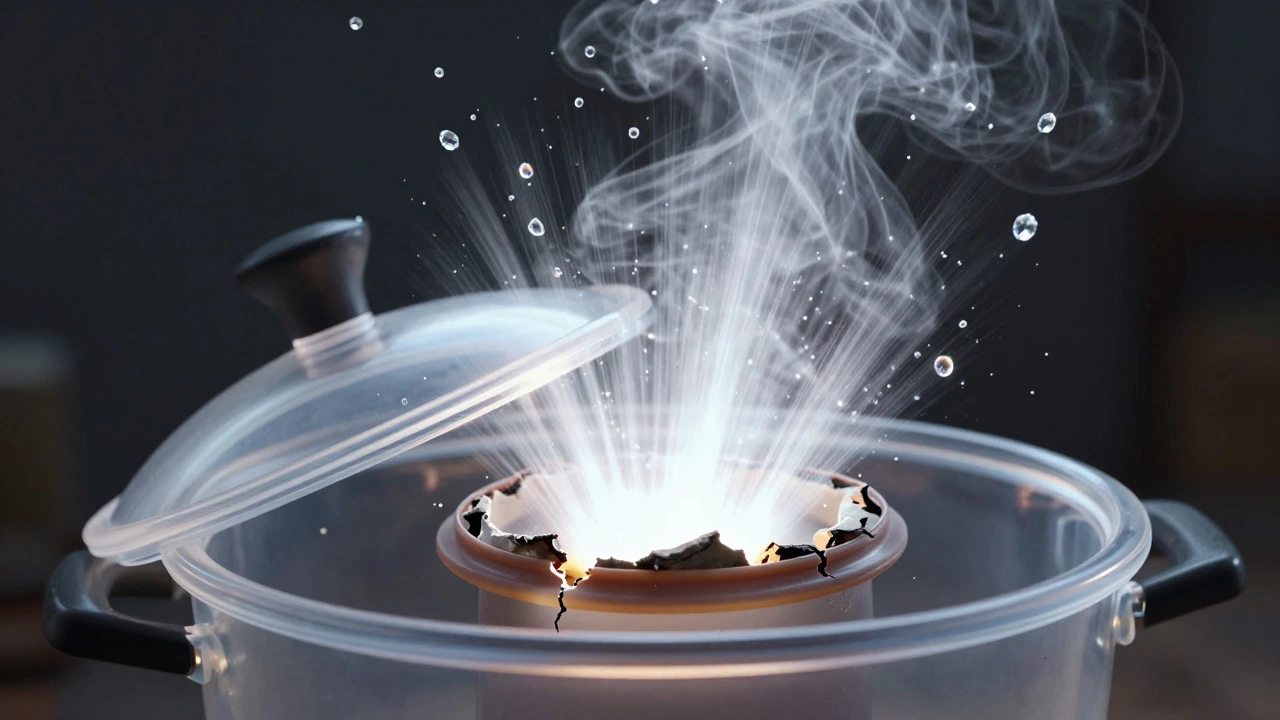
If you use an electric pressure cooker, like an Instant Pot or similar brand, the risks are slightly different but still serious. These units rely on a heating element and a microcomputer to control the process. If the sensor that detects internal temperature or pressure fails, the computer might think the cooker is fine when it’s actually overheating.
A faulty thermal fuse is a safety component that cuts power if the temperature exceeds a safe limit. It acts as the final electronic safeguard against overheating. could mean the heating element stays on long after the food is done, drying out the liquid inside. Without liquid to absorb the heat, the temperature spikes rapidly. The air inside expands, and the remaining moisture turns to superheated steam. If the safety valves are also sluggish due to lack of maintenance, the unit can reach critical pressure levels. While rare, electrical shorts can also cause erratic behavior, such as the lid locking when it shouldn’t or failing to unlock when it should.
| Cause | Symptom | Prevention Tip |
|---|---|---|
| Gasket Degradation | Steam leaking from sides, stiff seal | Replace gasket every 1-2 years |
| Clogged Valve | No steam release, hissing stops abruptly | Clean vent pipe after every use |
| Overfilling | Food in vent pipe, burnt bottom | Follow 2/3 fill rule strictly |
| Warped Lid | Lid doesn’t sit flat, uneven locking | Inspect rims for dents monthly |
| Electrical Fault | Error codes, burning smell | Unplug if acting erratically |
How to Prevent a Burst: A Maintenance Checklist
Preventing a disaster comes down to routine maintenance. You don’t need to be an engineer, but you do need to be vigilant. Here is your checklist:
- Inspect the Gasket: Pull it out and bend it. If it cracks or doesn’t snap back, buy a new one. They are cheap insurance.
- Clean the Venting System: Use a toothpick or a small brush to clear the steam release tube. Run a cycle with just water and vinegar to dissolve mineral buildup.
- Check the Float Valve: This is the little pin that pops up when pressurized. Make sure it moves freely and isn’t stuck with food debris.
- Never Force the Lid: If it won’t open, check the pressure indicator. If it’s down but still stuck, run cold water over the lid (for stovetop models) or wait longer. Forcing it can strip the threads.
- Use Enough Liquid: You need at least one cup of liquid to generate steam. Too little liquid means dry heating, which warps the pot and triggers false alarms.
What to Do If Your Cooker Leaks or Acts Weird
If you notice steam escaping from the sides instead of the valve, turn off the heat immediately. For electric models, unplug it. Let it cool naturally. Do not try to lift the lid manually unless you are sure the pressure is zero. If the cooker makes a loud banging noise or vibrates excessively, it’s likely hitting the metal walls due to insufficient liquid or a stuck valve. Abort the mission. Discard the food if it’s contaminated with burnt bits or debris, clean the unit thoroughly, and check all seals before trying again.
Remember, a pressure cooker is a tool, not a toy. Respect the pressure. With proper care, your cooker will serve you for decades without incident. But neglect the basics, and the physics will remind you quickly why safety matters.
Can a pressure cooker explode if left on too long?
Yes, if the liquid boils away completely, the heating element can overheat the empty pot. This can damage the non-stick coating, warp the metal, and potentially trigger safety fuses. In rare cases, if all safety valves are clogged, the pressure from superheated air and residual steam can cause the lid to blow off.
How often should I replace the pressure cooker gasket?
You should replace the gasket every 1 to 2 years, or sooner if you notice leaks, stiffness, or cracks. High-frequency users might need to change it annually. It’s a cheap part that prevents expensive accidents.
Is it safe to use an old pressure cooker?
Old stovetop pressure cookers (pre-1980s) lacked modern safety features like multiple redundant valves and fuse plugs. They are generally considered unsafe for regular use. Modern electric models are very safe, but check the manufacturer’s recommended lifespan, usually around 5-10 years.
What causes the safety valve to stop working?
The most common cause is food clogging. Starchy foods like rice, pasta, and oatmeal can expand and block the steam vent. Mineral deposits from hard water can also calcify the moving parts. Regular cleaning with vinegar and a brush prevents this.
Can I repair a dented pressure cooker lid?
If the dent is on the rim where the seal sits, it’s best to replace the lid or the entire unit. A dented rim cannot form an airtight seal, leading to leaks and potential failure. Minor dents on the top of the lid are less critical but should still be monitored.