
- 27 Jul 2026
- Gideon Thornton
- 0
Heat Pump Repair Cost & Decision Calculator
Select Issue or Enter Details
Analysis Result
Select an issue above to see the cost analysis.
There is nothing quite as stressful as your heating system deciding to quit on a cold morning. If you are wondering whether heat pumps are expensive to fix, the short answer is: it depends. But generally speaking, they are cheaper to run than gas boilers, and their repairs often cost less than you might fear-provided you catch small issues before they become big ones.
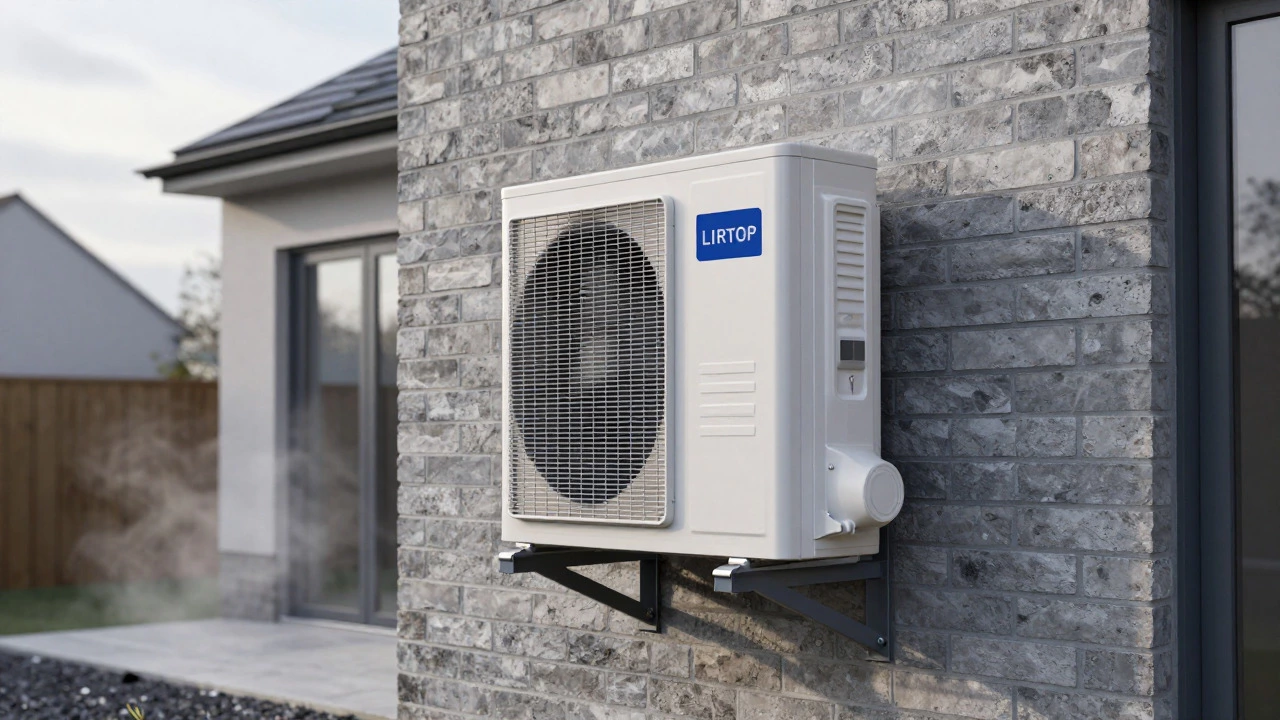
In the UK, where we are rapidly moving away from fossil fuels, heat pumps are becoming the standard for new builds and retrofits alike. With models like the Air Source Heat Pump installed in thousands of homes across Bristol and beyond, understanding the true cost of ownership is crucial. It isn't just about the upfront installation price; it’s about what happens when things go wrong.
Understanding the Cost Structure of Heat Pump Repairs
To figure out if a repair will break the bank, you first need to understand what actually breaks. Unlike a traditional boiler that burns gas, a heat pump moves heat. This means it has fewer combustion parts but more electrical and mechanical components.
The cost of fixing a heat pump usually falls into three buckets:
- Minor Maintenance & Diagnostics: Cleaning filters, checking refrigerant levels, or resetting error codes. These are often included in annual service contracts or cost between £50 and £100 for a one-off visit.
- Component Replacement: Swapping out a faulty fan motor, capacitor, or sensor. Parts vary wildly in price, but labor is the bigger factor here. Expect bills ranging from £150 to £400.
- Major Failures: Compressor failure or significant refrigerant leaks. These are the heavy hitters, potentially costing £800 to £1,500 or more, depending on the size of the unit and the complexity of the fix.
It is worth noting that while the initial shock of a £1,000 bill feels steep, this is rarely a surprise event. Most major failures are preceded by warning signs-strange noises, reduced efficiency, or intermittent heating-that give you time to act.
Common Faults and Their Typical Prices
Let’s get specific. What exactly are you paying for? Here are the most common issues technicians encounter in homes across the UK, along with realistic price estimates for 2026.
| Issue | Description | Estimated Cost (Parts + Labor) |
|---|---|---|
| Dirty Air Filters | Reduced airflow causing freezing or overheating | £0 - £50 (DIY or Service Visit) |
| Faulty Thermostat | Incorrect temperature readings leading to cycling | £100 - £200 |
| Refrigerant Leak | Loss of cooling/heating capacity due to seal failure | £200 - £600 |
| Compressor Failure | Heart of the system stops working | £800 - £1,500+ |
| Electrical Control Board | System brain fails to send signals | £300 - £700 |
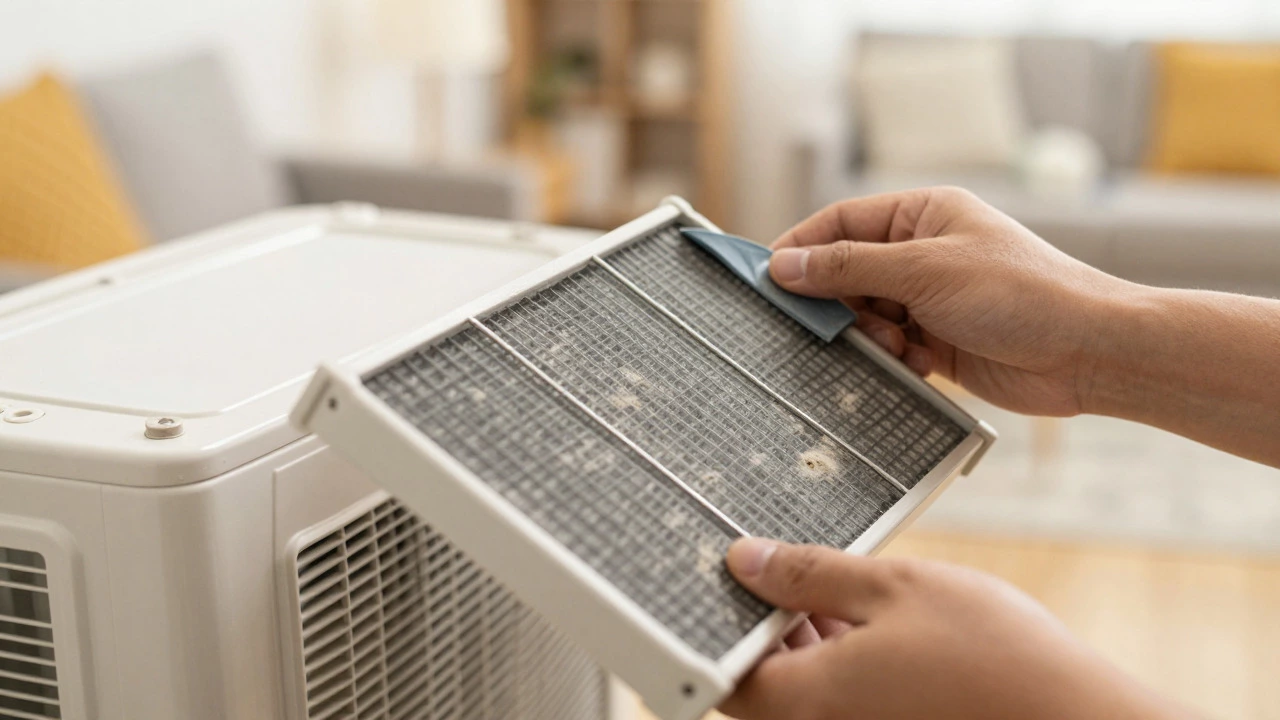
Notice how the cheapest fixes are often preventive. A dirty filter doesn’t just reduce efficiency; it forces the compressor to work harder, which can lead to that expensive compressor failure down the line. In my experience living in Bristol, where damp air can quickly clog outdoor units, keeping those filters clean is the single best way to avoid high repair bills.
Why Heat Pumps Are Often Cheaper to Maintain Than Boilers
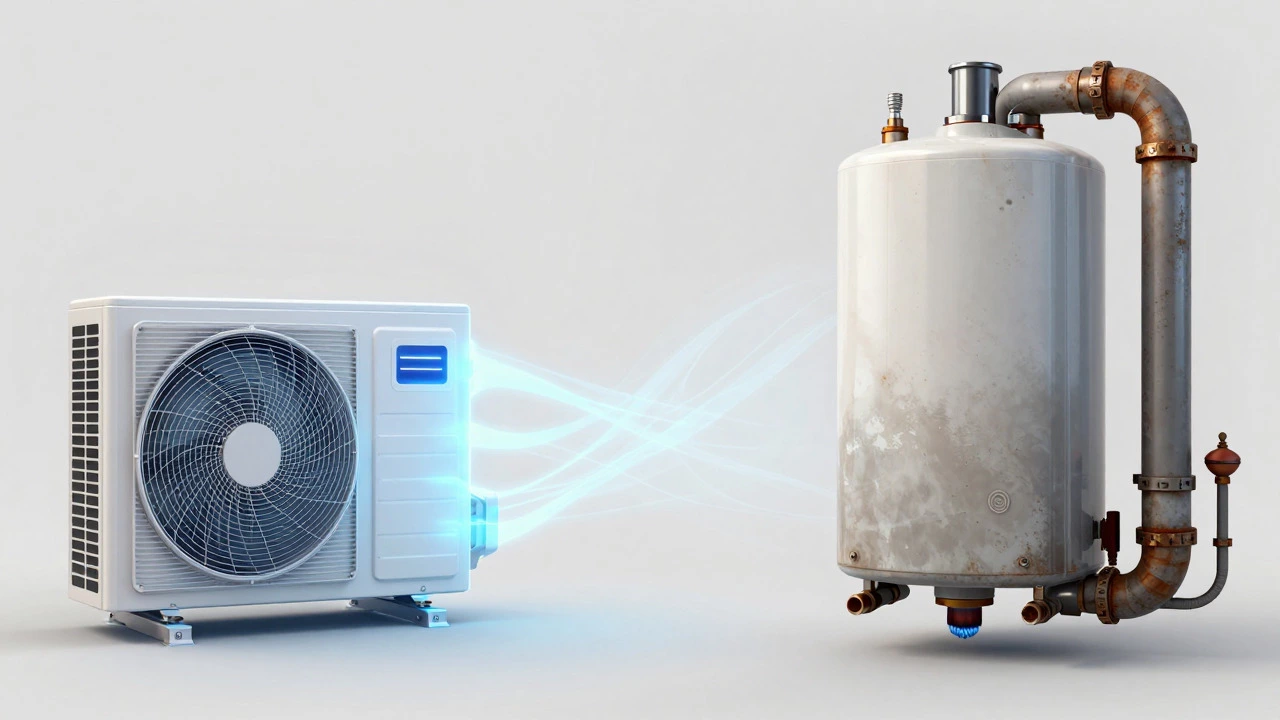
You might be comparing heat pumps to your old gas boiler. Here is the reality check: gas boilers have burners, flues, condensate traps, and pressure vessels. All of these are prone to corrosion, blockage, and wear. When a boiler breaks, it often involves complex plumbing and gas safety checks, which drive up labor costs.
A Heat Pump System, by contrast, is largely sealed and electric. There is no risk of carbon monoxide leaks, no flue to clean, and no burner to replace. The main moving parts are fans and compressors, which are robust and designed to last 15-20 years with proper care.
Furthermore, many heat pump manufacturers offer extended warranties that cover parts for up to 10 years if you stick to an annual service schedule. This significantly lowers the financial risk of a major component failing in year seven or eight.
Hidden Costs: Installation Quality and System Design
Sometimes, the problem isn’t the heat pump itself-it’s how it was installed. Poorly designed systems are the number one cause of premature failure and excessive repair costs. If your radiators are too small for low-temperature heating, or if your insulation is inadequate, the heat pump will struggle. It will cycle on and off constantly, wearing out its components faster than intended.
This is why getting a proper MCS (Microgeneration Certification Scheme) certified installer is non-negotiable. They don’t just bolt the unit to the wall; they calculate your home’s heat loss and ensure the distribution system (radiators or underfloor heating) matches the output. Skipping this step might save money upfront, but it guarantees higher repair bills later.
How to Keep Repair Costs Low: Proactive Maintenance
You don’t need to be an engineer to protect your investment. Simple habits can extend the life of your heat pump and keep repair quotes minimal.
- Clean the Outdoor Unit: At least twice a year, clear leaves, twigs, and debris from around the outdoor unit. Ensure there is at least one meter of clearance on all sides for airflow.
- Check Indoor Filters: If you have a ducted system or internal air handlers, check the filters monthly during peak winter months. Wash them if they are reusable.
- Listen for Changes: Heat pumps should hum quietly. Grinding, squealing, or banging noises are red flags. Address them immediately before they escalate.
- Monitor Energy Bills: If your electricity usage spikes without a change in weather or behavior, your system may be losing efficiency due to a leak or fault.
- Annual Professional Service: Hire a qualified technician to check refrigerant pressures, electrical connections, and control settings. This is usually required to keep warranties valid.
When Is It Better to Replace Than Repair?
Even with great care, everything wears out. So, when do you pull the plug? A good rule of thumb is the "50% Rule." If the cost of the repair is more than 50% of the cost of a new unit, and the current unit is over ten years old, replacement is usually the smarter financial move.
Newer models are significantly more efficient. An older heat pump struggling to maintain performance will eat up your electricity budget, whereas a modern unit could cut running costs by 20-30%. Plus, you’ll get a fresh warranty and peace of mind.
In summary, heat pumps are not inherently expensive to fix. In fact, they tend to be more reliable and lower-maintenance than traditional combustion heating systems. The key is prevention. Treat your heat pump with respect, keep it clean, and get it serviced annually, and you will likely find that your repair costs remain negligible compared to the savings you make on energy bills.
How much does it cost to service a heat pump annually?
An annual professional service for a heat pump typically costs between £80 and £150 in the UK. This includes checking refrigerant levels, inspecting electrical connections, cleaning coils, and verifying system controls. Many homeowners include this in a broader home maintenance plan.
What is the most expensive part to replace in a heat pump?
The compressor is generally the most expensive component to replace, often costing between £800 and £1,500 including labor. It is the heart of the system, compressing the refrigerant to release heat. Other costly parts include the control board and the evaporator coil.
Do heat pumps require special insurance?
Most standard home insurance policies cover heat pumps against accidental damage, storms, or theft. However, mechanical breakdowns are usually excluded unless you have a specific appliance breakdown cover policy. Check with your insurer to ensure your specific model is listed.
Can I fix a heat pump myself?
You can perform basic maintenance like cleaning filters and clearing debris from the outdoor unit. However, any work involving refrigerants, electrical wiring, or internal components must be done by a F-Gas certified technician. DIY attempts on complex parts can void warranties and create safety hazards.
How long does a heat pump last before needing major repairs?
With regular maintenance, a quality heat pump should last 15 to 20 years. Major repairs are uncommon in the first 10 years if the system was correctly sized and installed. After 15 years, efficiency drops, and the likelihood of component failure increases significantly.