- 14 May 2026
- Gideon Thornton
- 0
Boiler Replacement Time & Cost Estimator
Quick Reference
- Like-for-like: 4-8 hours
- With relocation: +4-8 hours
- Power flush: +2-3 hours
- Gas Safe required: Yes
Imagine it’s mid-January in Bristol. The rain is lashing against the windows, the wind is howling, and your heating system suddenly gives up the ghost. You’re left shivering, wondering if you’ll be without hot water for days. The immediate question on everyone’s mind isn’t just “who can fix this?” but rather, “how long will I be cold?”
If you need to replace a boiler, the good news is that you won’t be waiting weeks. For most homeowners, the physical act of swapping out an old unit for a new one takes between four and eight hours. However, the timeline can stretch depending on whether you are changing the boiler's location or upgrading your entire heating system. Understanding these timelines helps you plan your day, book time off work, and avoid the stress of unexpected delays.
The Standard Timeline: Like-for-Like Replacement
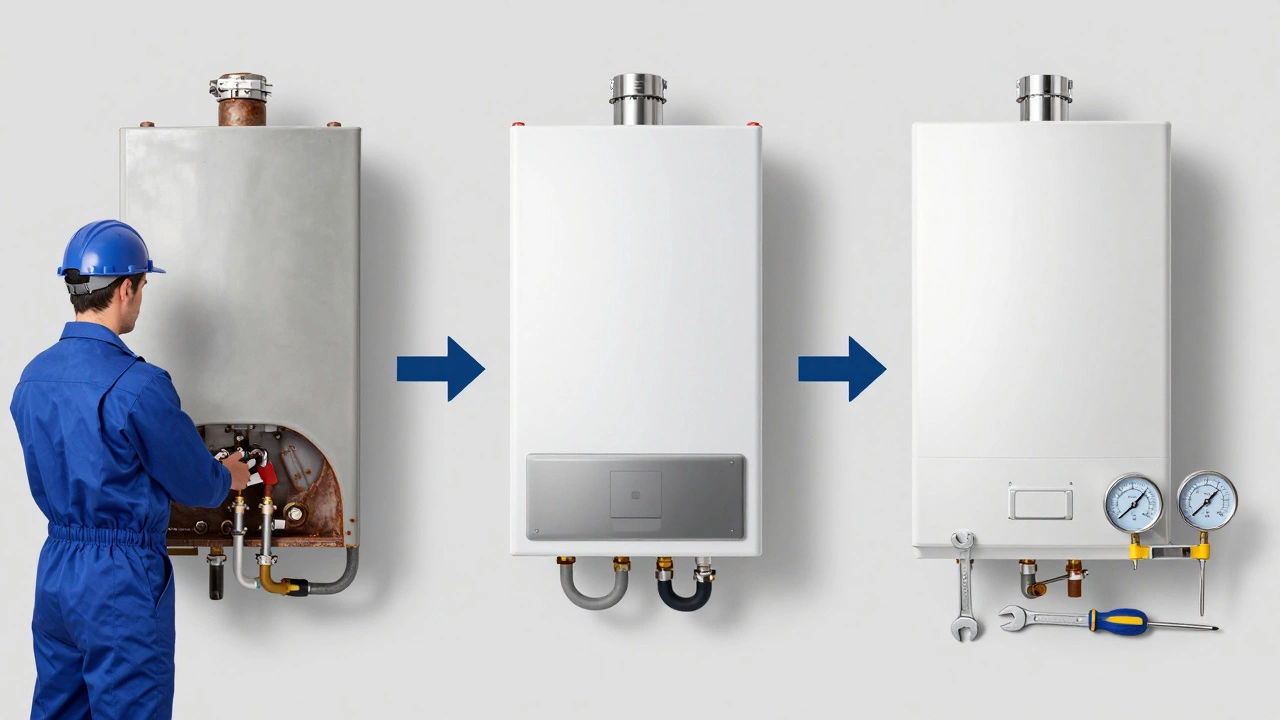
When engineers talk about a straightforward replacement, they mean a "like-for-like" job. This involves removing your existing boiler-usually a conventional or combination model-and installing a new one in the exact same spot, using the existing pipework and flue route. This is the fastest scenario because the infrastructure is already in place.
In this scenario, a qualified Gas Safe registered engineer typically completes the job in one day. Here is what that day looks like:
- 09:00 - 10:00: Arrival and safety checks. The engineer assesses the site, isolates the gas supply, and drains the system.
- 10:00 - 13:00: Removal of the old boiler and preparation of the area. This includes disconnecting pipes, wires, and the flue.
- 13:00 - 15:30: Installation of the new unit. Mounting the boiler, connecting the gas, water, and electrical supplies, and fitting the new flue.
- 15:30 - 16:30: Commissioning and testing. The engineer fills the system, checks for leaks, tests the pressure, and ensures all safety devices are working correctly.
- 16:30 - 17:00: Cleanup and handover. You get a quick tutorial on how to use the new controls.
This process assumes no major complications. If your old boiler was installed correctly decades ago, the fittings might be standard, making the swap smooth. However, older systems sometimes have corroded pipes or non-standard components that require extra care, potentially adding an hour or two to the schedule.
Factors That Extend the Installation Time
Not every replacement is a simple swap. Several factors can turn a half-day job into a full-day project, or even spread the work over two days. Recognizing these variables early helps you manage expectations.
Moving the Boiler Location
If you decide to move your boiler from the kitchen to the utility room, or from one wall to another, the job becomes significantly more complex. Moving the boiler requires extending the gas pipe, running new water supply lines, and creating a new hole in the exterior wall for the flue. Gas piping must be done by a specialist, and drilling through load-bearing walls requires structural consideration. This can add anywhere from 4 to 8 hours of labor, often requiring two engineers to complete the task efficiently.
System Upgrades: Combi vs. Conventional
Switching from a conventional boiler (which uses a separate hot water cylinder and cold water tank) to a combination (combi) boiler is a popular upgrade because it saves space and provides instant hot water. However, it’s not just a plug-and-play swap. A combi boiler draws water directly from the mains, so the engineer needs to check if your existing pipework is wide enough to handle the flow rate. If your pipes are narrow or old, they may need replacing. Additionally, you’ll need to remove the hot water cylinder and insulate the loft tank. This conversion can take a full day, sometimes spilling into a second day if access to the loft is difficult.
Condensate Pipe Issues
New boilers are condensing units, which means they produce a acidic waste liquid called condensate. This needs to be drained away safely, usually into a soil pipe or downpipe. If your current setup doesn’t have a suitable drain nearby, the engineer will need to run a new condensate pipe. In colder climates like parts of the UK, this pipe often needs insulation or a heating trace to prevent freezing, adding complexity to the routing.
The Role of the Gas Safe Engineer
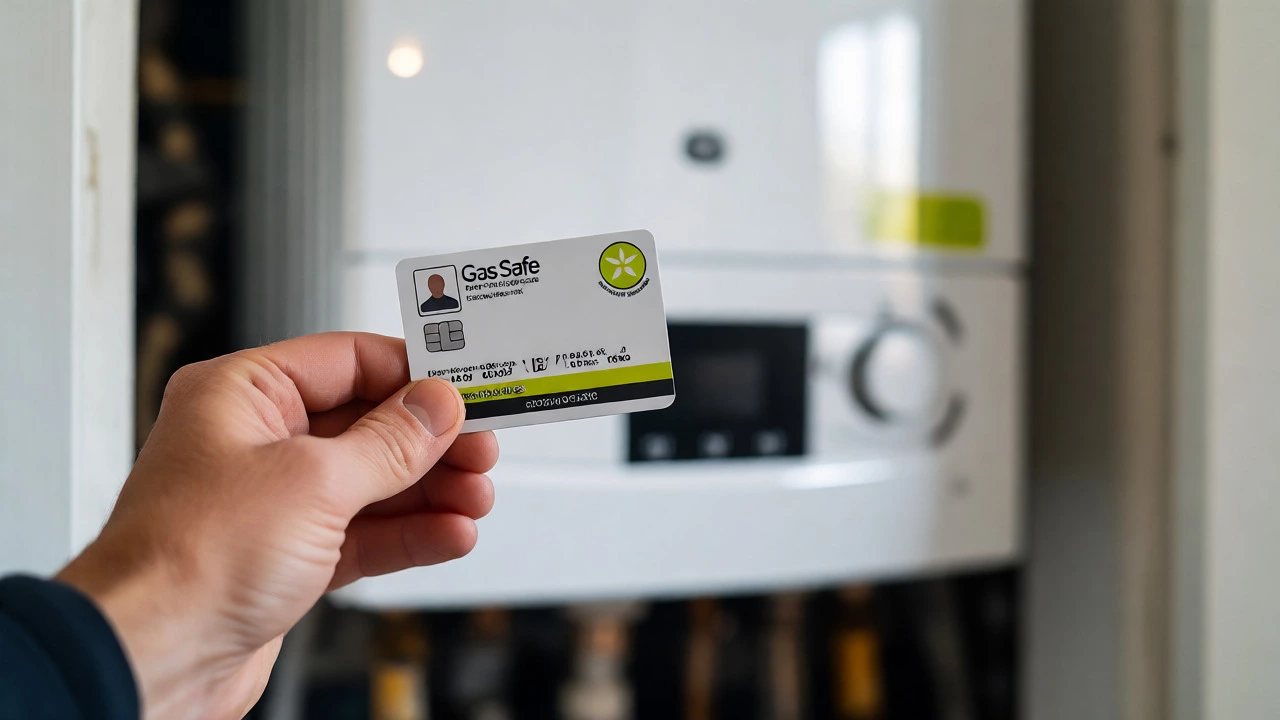
You cannot hire just any handyman to install a boiler. In the UK, it is illegal for anyone who is not registered with the Gas Safe Register to work on gas appliances. This registration ensures that the engineer has the specific competencies required to install, maintain, and repair gas boilers safely.
Using a Gas Safe engineer is not just about compliance; it’s about safety and warranty. If an unregistered person installs your boiler and something goes wrong-such as a gas leak or carbon monoxide poisoning-you could face severe legal consequences. Furthermore, most boiler manufacturers void their warranty if the installation isn’t performed by a certified professional. Always ask to see the engineer’s ID card upon arrival and verify their registration number on the official Gas Safe website.
A skilled engineer brings efficiency to the job. They know how to troubleshoot unexpected issues, such as finding airlocks in the radiators or dealing with sludge buildup in the system. An inexperienced installer might struggle with these common problems, turning a 4-hour job into an all-day ordeal.
Preparation: What You Can Do to Speed Things Up
While you can’t control the technical aspects of the installation, you can prepare your home to ensure the process runs smoothly. Proper preparation minimizes downtime and keeps the engineers focused on the job.
- Clear the Area: Move furniture, rugs, and decorations away from the boiler. Engineers need clear access to the unit and the surrounding pipework. If the boiler is under a sink, empty the cabinet completely.
- Check Access: Ensure there is a clear path from the front door to the boiler room. If the new boiler is larger than the old one, measure the doorway width to ensure it fits through.
- Drain the System (Optional): While the engineer will do this, if you have a bypass valve, you can leave it open. Also, inform the engineer if you have a wet underfloor heating system, as this requires careful bleeding of air.
- Plan for Water Disruption: During the swap, your water supply will be cut. Fill your kettle and bathe beforehand if possible. Have some bottled water ready for drinking and cooking.
- Arrange Payment: Have your payment method ready. Most companies accept credit cards, but having cash on hand can speed up the final transaction.
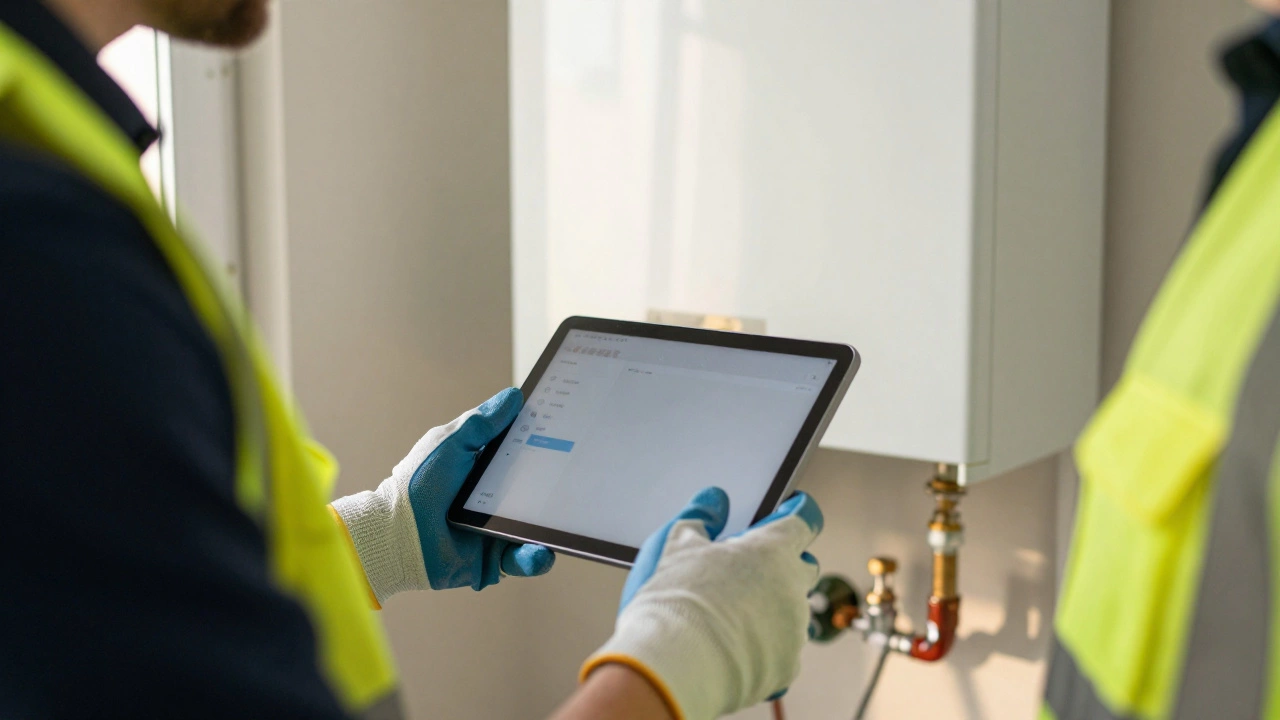
Costs Associated with Boiler Replacement
Time is money, and understanding the cost structure helps you budget effectively. The price of replacing a boiler varies based on the type of unit, the complexity of the installation, and the region. In the UK, prices fluctuate based on demand and material costs.
| Boiler Type | Price Range (£) | Typical Installation Time |
|---|---|---|
| Combi Boiler (Standard Efficiency) | £1,500 - £2,500 | 4 - 6 hours |
| Combi Boiler (High Efficiency) | £2,000 - £3,500 | 4 - 6 hours |
| System Boiler | £1,800 - £3,000 | 6 - 8 hours |
| Conventional Boiler | £1,500 - £2,800 | 6 - 8 hours |
| Relocation / New Flue | +£500 - £1,500 | +4 - 8 hours |
Note that these prices include the cost of the boiler, labor, and basic materials. Additional costs may arise if you need a new thermostat, filter, or power flush. A power flush is highly recommended when replacing a boiler to remove sludge and debris from the old system, preventing premature failure of the new unit. This adds approximately 2-3 hours to the job and costs around £300-£400.
What Happens After Installation?
Once the engineer leaves, your job isn’t quite done. You’ll receive a Benchmark Certificate, which is crucial for your warranty. This certificate details the installation work and confirms that the boiler meets safety standards. Keep this document safe; you’ll need it if you ever sell your home or claim under warranty.
In the first few days, monitor your boiler’s performance. Check the pressure gauge-it should sit between 1 and 1.5 bar. Listen for unusual noises, such as gurgling, which might indicate air in the system. If you notice any issues, contact your installer immediately. Most reputable companies offer a callback service for minor adjustments within the first week.
Regular maintenance is key to longevity. Even though you’ve just replaced your boiler, scheduling an annual service will keep it running efficiently and extend its lifespan. A well-maintained boiler can last 10-15 years, saving you money on energy bills and avoiding unexpected breakdowns.
Can I replace my boiler myself?
No, it is illegal and extremely dangerous to install a gas boiler yourself unless you are a Gas Safe registered engineer. DIY installation voids insurance, risks carbon monoxide leaks, and can lead to prosecution. Always hire a professional.
Do I need to be home during the boiler replacement?
Yes, someone aged 18 or over must be present to grant access to the property and sign off on the work. You don’t need to stay in the room, but you should be available to answer questions and witness the final safety checks.
Will my radiators need replacing too?
Not necessarily. If your existing radiators are in good condition and adequately sized for your rooms, they can remain. However, if they are old, inefficient, or too small for the new high-efficiency boiler, upgrading them might improve overall performance.
How long does a power flush take?
A power flush typically takes 2 to 3 hours, depending on the size of your system and the level of contamination. It is highly recommended before installing a new boiler to prevent sludge from damaging the new unit.
What documents should I receive after installation?
You should receive a Gas Safe Certificate, a Benchmark Commissioning Checklist, and the manufacturer’s warranty documentation. These prove the installation was done safely and correctly, protecting your right to a refund or repair if issues arise.