- 17 May 2026
- Gideon Thornton
- 0
Boiler Replacement Cost Estimator 2026
Please select your configuration and click "Estimate Total Cost" to see the breakdown.
It’s the moment every homeowner dreads. The radiator stays cold, the pilot light won’t stay lit, and the technician looks at you with that specific mix of sympathy and inevitability. "I’m sorry," they say. "It’s not worth repairing. You need a new one." Then comes the number. It’s usually much higher than you expected.
In Bristol, and across the UK, replacing a boiler is rarely just about swapping out a metal box. It’s a complex job involving safety regulations, infrastructure updates, and specialized labor. If you’re staring at a quote for £3,000 or more, you aren’t alone. But why does it hurt so much? Let’s pull back the curtain on the real costs behind boiler replacement in 2026.
The Hidden Cost of Safety Regulations
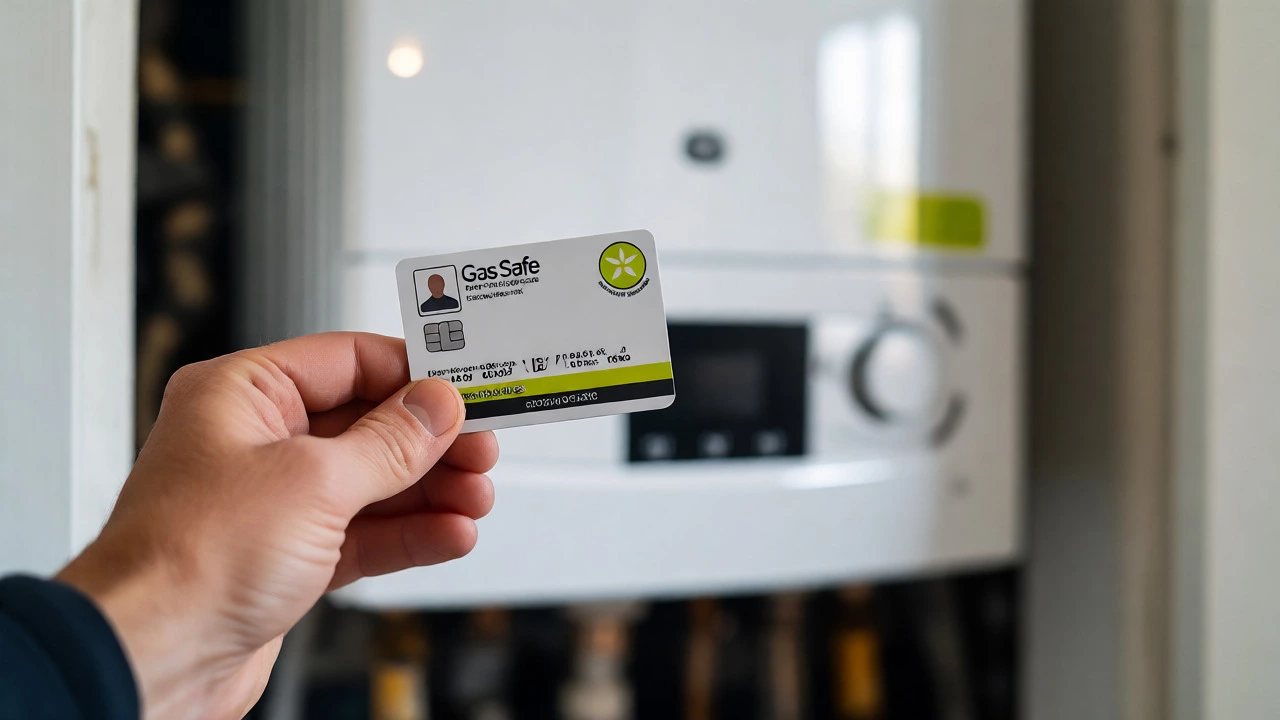
The biggest reason boiler replacement isn’t a DIY project-or even a cheap handyman job-is regulation. In the UK, any work on a gas boiler must be carried out by a GAS SAFE registered engineer. This isn’t just a suggestion; it’s the law. Getting this certification takes years of training and continuous assessment.
You are paying for their insurance, their van, their tools, and their expertise. If an unregistered person touches your gas line and something goes wrong, you could face criminal charges, voided home insurance, and potentially lose your life. The premium you pay ensures that someone qualified handles high-pressure gas and carbon monoxide risks. That peace of mind has a price tag.
It’s Rarely Just a "Like-for-Like" Swap
We often imagine replacing a boiler as plugging a new unit into the old pipes. In reality, modern boilers are vastly different from the ones installed ten or fifteen years ago. Older systems were designed for different pressure levels and efficiency standards.
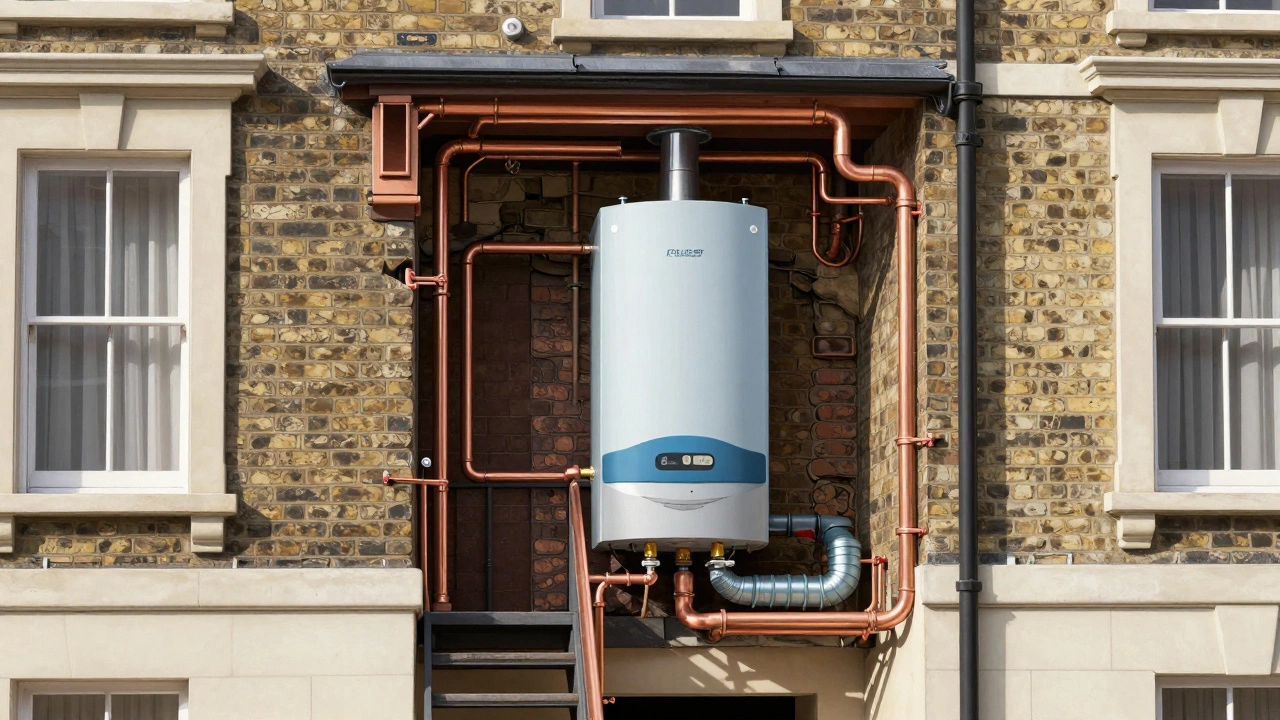
- Pipe Relocation: New condensing boilers produce acidic condensate. This needs to be drained away properly, often requiring new external drainage pipes that your old system didn’t have.
- Flue Requirements: Modern flues are smaller and require specific clearance distances from windows and neighbors. Your current flue might not meet current Building Regulations.
- System Compatibility: If you had a conventional boiler with a hot water tank, switching to a combi boiler (which heats water on demand) requires completely rewiring your pipework. This involves chasing walls, laying new pipes, and plastering them back in.
These structural changes turn a two-hour swap into a three-day renovation project.
The Rise of Component Prices
Let’s talk hardware. The cost of manufacturing boilers has risen due to global supply chain pressures and increased material costs. Copper, steel, and electronic components are all more expensive now than they were five years ago.
Furthermore, manufacturers are building in more technology. Modern boilers are essentially computers with heat exchangers. They have digital controls, smart connectivity features, and advanced safety sensors. While these make the boiler more efficient and easier to control via an app, they also drive up the retail price of the unit itself. A basic model might start around £1,200, but a high-efficiency premium model can easily exceed £2,500 before installation.
Installation Complexity and Labor Rates
Labor rates in the UK have increased steadily. Skilled tradespeople are in high demand. When you hire a reputable heating company, you’re paying for a team, not just one person. A typical installation crew includes:
- The Lead Engineer: Handles the gas connections and commissioning.
- The Plumber: Manages the pipework, valves, and radiators.
- The Helper: Assists with debris removal, site preparation, and cleanup.
If your property is older, like many Victorian terraces in Bristol, the challenges multiply. Narrow stairs mean large boilers can’t be carried in, requiring special compact models or even removing windows to get the unit inside. Old brickwork might need repointing if the flue is moved. These variables add hours to the job, which translates directly to cost.
| Scenario | Estimated Cost Range | Key Factors |
|---|---|---|
| Simple Like-for-Like Swap | £1,800 - £2,500 | Same location, same type, minimal pipe work |
| Combi Conversion | £2,500 - £3,500 | Removing hot water cylinder, new pipework |
| Relocation + Upgrade | £3,500 - £5,000+ | Moving boiler position, new flue, electrical work |
When Is Repair Cheaper Than Replacement?
Not every breakdown means a full replacement. Knowing when to hold your wallet is crucial. Generally, if your boiler is less than ten years old, repair is often the smarter financial move. Parts like pumps, valves, and thermostats are relatively inexpensive compared to a whole new unit.
However, if your boiler is over 15 years old, the economics shift. Older models are significantly less efficient. Upgrading from a G-rated boiler to an A-rated modern condensing boiler can save you hundreds of pounds annually on energy bills. Over five years, those savings might offset the initial installation cost. Plus, finding parts for obsolete models becomes difficult and expensive, turning minor repairs into major headaches.
How to Avoid Being Overcharged
The market is transparent, but confusion remains. Here is how to protect yourself:
- Get Three Quotes: Never accept the first offer. Compare the scope of work, not just the total price. One quote might exclude VAT or disposal fees.
- Check Accreditations: Look for engineers accredited by manufacturers like Vaillant, Worcester Bosch, or Baxi. These companies often provide extended warranties (up to 8-10 years) only if installed by their certified partners.
- Ask About Fixtures: Ensure the quote includes the necessary flue kits, condensate traps, and isolation valves. These small items can add £200-£300 if not included upfront.
Replacing a boiler is a significant investment, but it’s an investment in comfort, safety, and long-term savings. By understanding where the money goes-from regulatory compliance to complex plumbing-you can make an informed decision and avoid surprise bills.
Can I install a boiler myself to save money?
No, it is illegal and extremely dangerous. Only GAS SAFE registered engineers can install or repair gas boilers. Attempting DIY work will void your home insurance and put your family at risk of carbon monoxide poisoning or explosions.
How long does a boiler replacement take?
A simple like-for-like swap typically takes 4-6 hours. However, if you are changing the boiler type (e.g., from system to combi) or relocating the unit, expect the job to take 2-3 days due to pipework and plastering requirements.
Is it worth upgrading to a smart boiler?
Yes, if you want better control over your heating. Smart boilers allow you to manage zones, schedule heating via apps, and monitor usage. While they cost slightly more upfront, the ability to reduce waste can lower your annual energy bills.
What happens to my old boiler?
Reputable installers will remove and dispose of your old boiler responsibly. This fee should be included in your quote. Do not let them leave it on your driveway; proper disposal ensures hazardous materials are handled correctly.
Do I need a new flue for a new boiler?
Often, yes. Modern condensing boilers have different flue diameters and requirements than older non-condensing models. Even if the diameter fits, the flue may not meet current Building Regulations regarding distance from windows and boundaries. An engineer will assess this during the survey.