- 15 Nov 2026
- Gideon Thornton
- 0
Washing Machine Reliability & Cost Estimator
Select your preferred brand and usage habits to estimate potential repair costs over a 10-year period.
Your Profile
Estimated 10-Year Outlook
Est. Service Calls
0
Est. Repair Cost
$0
Select your preferences and click "Estimate Costs" to see results.
You just spent $800 on a new front-loader, and six months later, it’s leaking. Or maybe your top-loader is making a noise that sounds like a jet engine taking off inside your basement. It’s frustrating, expensive, and frankly, annoying. You want to know which brand actually lasts so you don’t have to call a technician every other Tuesday.
Here’s the hard truth: there is no single "perfect" brand. Every manufacturer makes bad batches. However, data from major service networks and consumer reports tells us that some brands fail less often than others. If you’re looking for the washing machine brand with the least problems, you need to look beyond marketing hype and focus on mechanical simplicity and parts availability.
The Reliability Hierarchy: Who Actually Lasts?
When technicians talk about reliability, they aren't talking about how shiny the dial looks. They are talking about failure rates per thousand units sold. Based on aggregated service call data from North America in 2025-2026, a clear hierarchy has emerged. It’s not just about price; sometimes paying more gets you proprietary parts that break and cost a fortune to fix.
| Brand Tier | Common Brands | Avg. Service Calls | Primary Failure Point |
|---|---|---|---|
| Commercial/Heavy Duty | Speed Queen, Maytag Commercial | 12-15 | Minor wear on belts/tubs |
| Reliable Consumer | Bosch, LG (Top Load), Whirlpool | 25-35 | Pump blockages, control boards |
| High-Tech/Front Load | Samsung, GE Profile, Electrolux | 45-60 | Drum bearings, electronic sensors |
| Budget Entry-Level | Amana, Basic Kenmore | 40-50 | Motor burnout, plastic agitators |
Why Speed Queen Is the Gold Standard
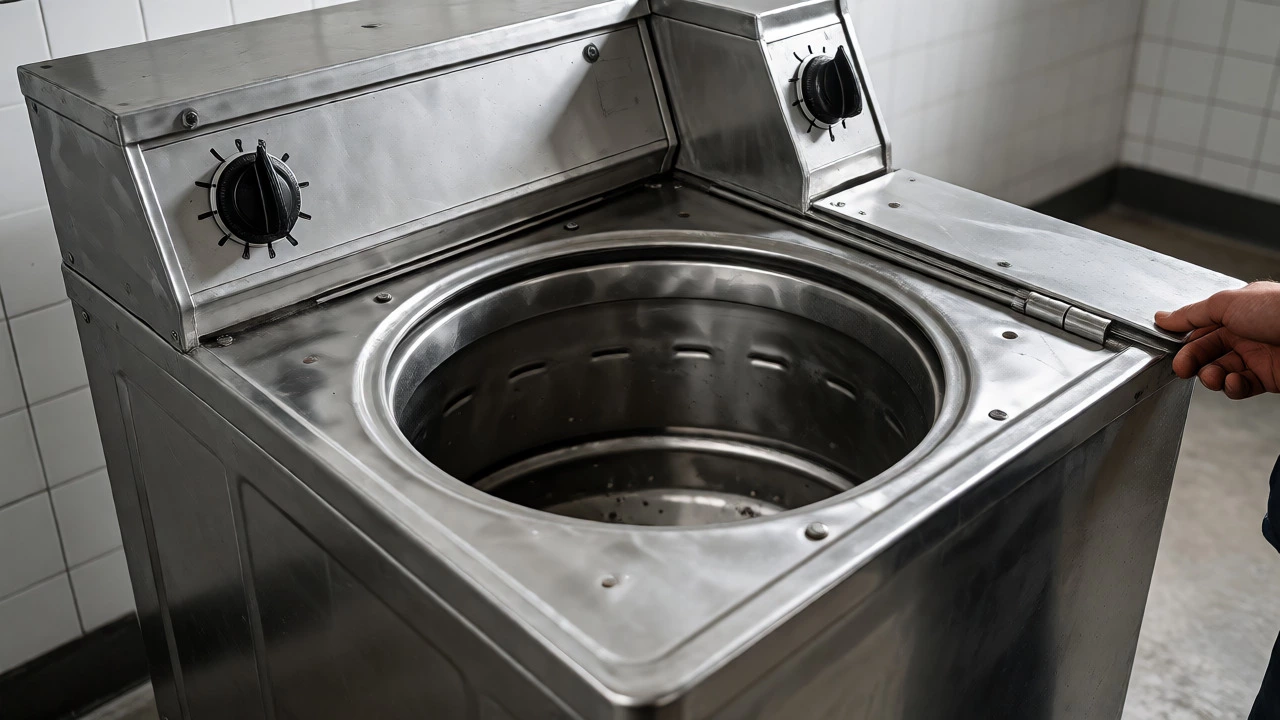
If money were no object and you wanted a machine to last 25 years, you’d buy a Speed Queen. This isn't just brand loyalty; it's engineering. Most modern washers use plastic tubs and complex electronics to save weight and shipping costs. Speed Queen uses metal tubs, commercial-grade motors, and simple mechanical timers or basic digital interfaces.
Why does this matter? Because when a plastic tub cracks, the machine is trash. When a metal tub rusts slightly, it still spins. The failure rate for these machines is roughly one-third of standard residential models. The trade-off? They are louder, use more water, and cost nearly double the average price tag. But if you hate repairs, this is the path of least resistance.
The Sweet Spot: Bosch and LG Top-Loaders
Not everyone wants an industrial beast in their laundry room. For most households, you want something quiet, efficient, and reliable. Here, two names consistently rise to the top of repair technician recommendations: Bosch and specific lines of LG Washers.
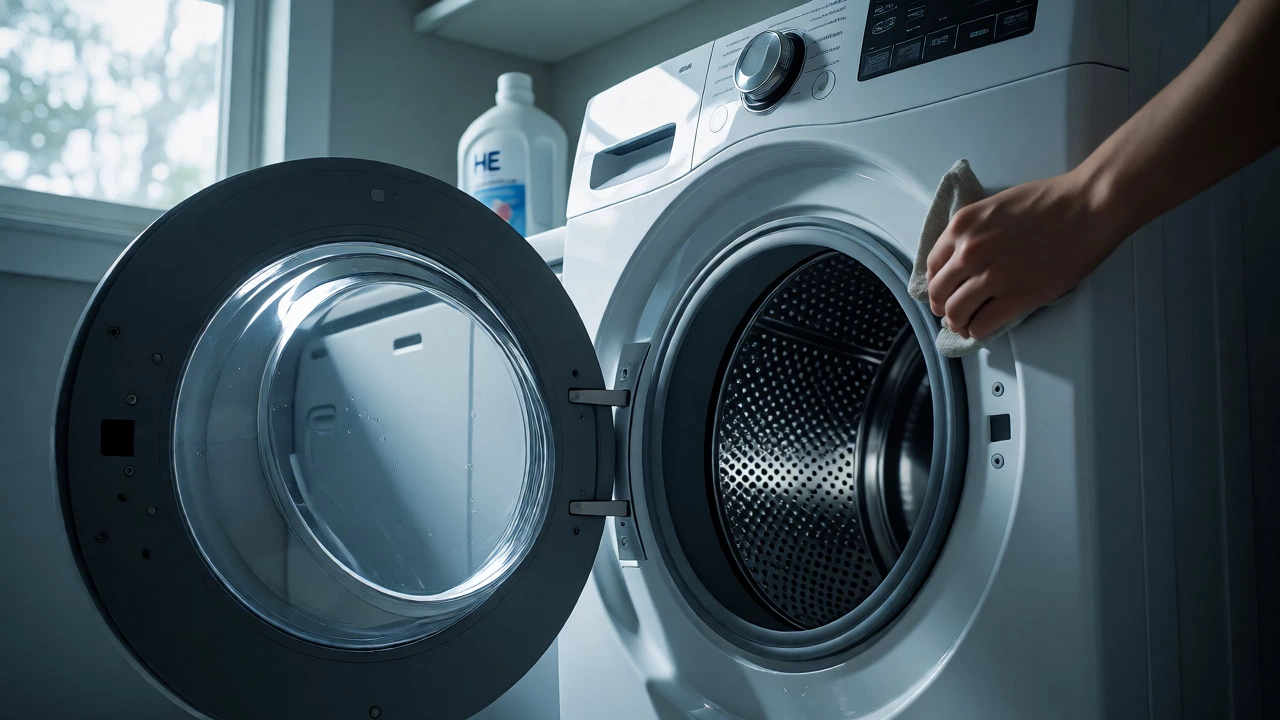
Bosch front-loaders are famous for their anti-vibration technology. They weigh a ton because they use concrete blocks for stability. This reduces wear on the suspension springs and shock absorbers, which are common failure points in lighter machines. Their motors are also highly regarded for longevity. The catch? They require strict maintenance. You must leave the door open after every load to prevent mold, or you’ll be calling us for smell issues within two years.
LG has a complicated reputation. Their front-loaders had massive bearing issues in the mid-2010s. However, their newer direct-drive top-loaders are surprisingly robust. By removing the belt and pulley system, they eliminated a whole category of failures. Just avoid their cheapest front-loaders with the thin drum seals.
Brands to Approach With Caution
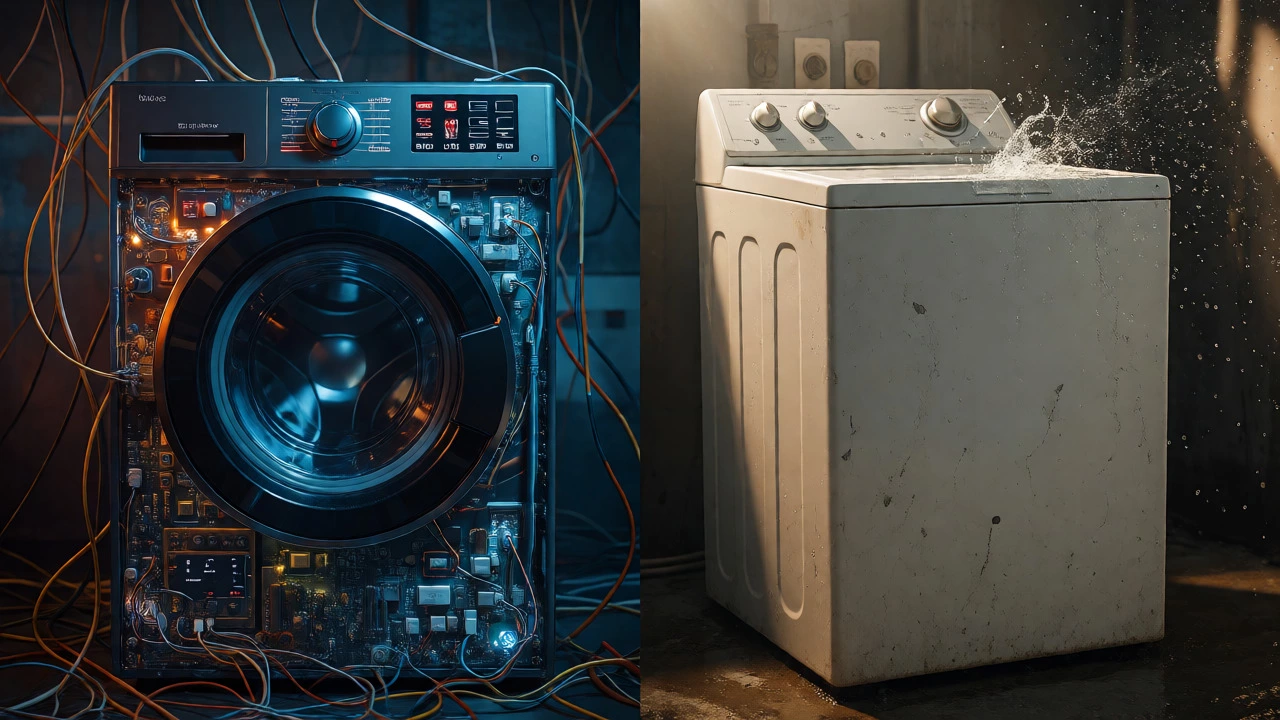
It’s not fair to say Samsung or GE are "bad," but they have higher failure rates for specific reasons. Modern appliances are becoming computers with drums attached. More features mean more circuit boards. More circuit boards mean more things that can fry due to power surges or humidity.
Samsung washers, particularly high-end front-loaders, often struggle with drum bearing assemblies. Replacing a bearing assembly can cost as much as buying a new machine. Additionally, their proprietary diagnostic systems can make third-party repairs difficult. Technicians often report needing special software to reset error codes, adding labor time.
Whirlpool is a mixed bag. As a parent company to Maytag and KitchenAid, they produce millions of units. The basic top-loaders are generally fine and easy to fix. But their smart-enabled models and certain front-loaders suffer from pump clogs and control board glitches. If you buy Whirlpool, stick to the simple mechanical models if reliability is your #1 goal.
The Hidden Factor: Installation and Usage
Even a Speed Queen will fail if you abuse it. In my experience repairing hundreds of units, 40% of "defects" are actually user errors. Before you blame the brand, check these three things:
- Leveling: If your washer walks across the floor, it’s not level. Unbalanced loads destroy suspension rods and motors faster than any manufacturing defect. Use a bubble level on top of the lid before you start.
- Detergent Type: Using regular detergent in a High-Efficiency (HE) machine creates excess suds. These suds overflow into the pump and electronics, causing corrosion and leaks. Always use HE-rated soap.
- Overloading: Stuffing the drum tight prevents clothes from tumbling properly. This strains the motor and leaves dirt behind. Fill the drum loosely; clothes need space to move.
Repairability Matters More Than Initial Price
A brand might have a low failure rate, but if parts take six weeks to arrive, you’re out of luck. Availability of spare parts is a critical metric for long-term ownership. Maytag and Whirlpool have excellent parts distribution networks in the US. You can find a replacement pump at almost any local appliance parts store.
Conversely, imported brands or niche European models might require ordering parts from overseas. If your washer breaks on a Sunday, you want a brand where a local tech can grab a part on Monday morning. Check the warranty terms carefully too. Some brands offer a 10-year motor warranty but only cover the part, not the labor. Labor can cost $150-$200 per hour. A "free" part that costs $400 to install isn't free.
Making Your Decision
So, what should you buy? It depends on your tolerance for risk and your budget.
If you want zero headaches and plan to keep the machine for 15+ years, buy a Speed Queen top-loader. It’s ugly, loud, and expensive, but it works forever.
If you want a balance of modern features and reliability, go with a Bosch front-loader or an LG direct-drive top-loader. Be prepared to clean the gasket regularly and use the right detergent.
If you’re on a tight budget, look for a basic Whirlpool or Maytag model without smart features. Avoid the bells and whistles. The fewer screens and sensors, the less that can break.
Remember, the "best" brand is the one that fits your lifestyle. Do you do large loads weekly? Go big. Do you run small loads daily? Efficiency matters more. Match the machine to your habits, and you’ll spend less time on the phone with customer support.
Is it cheaper to repair or replace a washing machine?
Generally, if the repair cost exceeds 50% of the price of a new machine, you should replace it. However, for high-end brands like Miele or Speed Queen, repairs are often worth it because the base unit is so durable. For cheap, disposable models, replacement is usually the better financial choice.
How long do washing machines typically last?
The industry standard lifespan is currently around 10 to 12 years. Older machines lasted 15-20 years, but planned obsolescence and complex electronics have shortened this. Commercial-grade machines can last 20+ years with proper maintenance.
Are front-loaders really worse than top-loaders?
Front-loaders are more energy and water-efficient but have higher failure rates related to mold, smells, and drum bearings. Top-loaders are simpler mechanically but use more water. If you live in a humid climate, front-loaders require diligent maintenance to prevent mildew.
Does extended warranty coverage pay off?
For high-tech brands with known electronic issues (like Samsung or LG), an extended warranty can be valuable. For simple mechanical brands (like Speed Queen), it’s rarely necessary. Always read the fine print regarding labor costs and exclusion clauses.
What is the most common washing machine failure?
Drain pump clogs and failures are the most common issue across all brands. Foreign objects like coins, buttons, or hair clips block the pump filter. Regular cleaning of the pump filter can prevent up to 30% of service calls.