
- 28 May 2026
- Gideon Thornton
- 0
Glass Hob Repair vs. Replace Calculator
Estimate Your Costs
Analysis Result
Enter details to see if you should repair or buy a new hob.
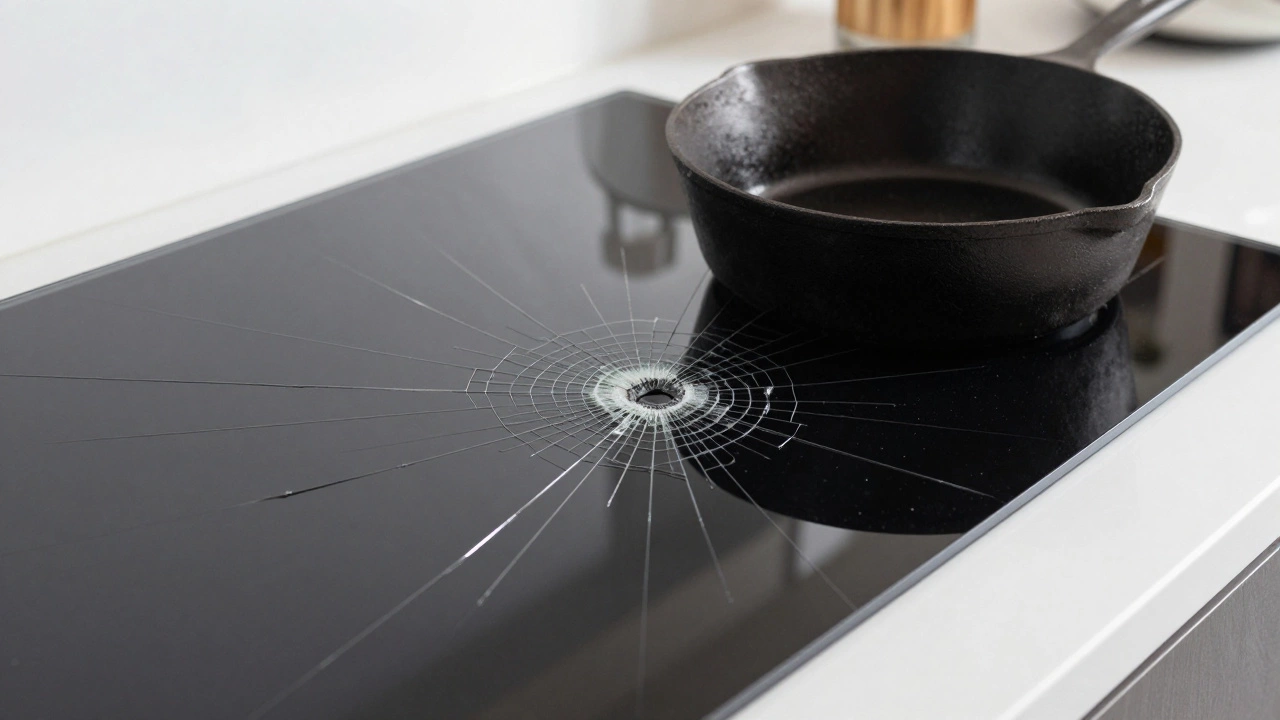
That sharp *crack* sound when you drop a heavy pot on your kitchen surface is every homeowner’s nightmare. A shattered or malfunctioning glass hob is a flat, smooth cooking surface made of tempered glass-ceramic that uses electric heating elements beneath the surface doesn’t just ruin your morning coffee routine; it raises immediate questions about safety and expense. You’re likely staring at a spiderweb of cracks or a zone that refuses to heat up, wondering if you need to fork out hundreds for a new unit or if a repair is viable.
The short answer? It depends entirely on the damage. If it’s a simple electronic glitch or a burnt-out heating element, you might spend between £80 and £150. But if the glass itself is cracked, the bill jumps significantly because the entire top assembly usually needs replacing. Before you panic, let’s break down exactly what influences these costs and how to get the best deal in the current market.
While we are discussing appliance maintenance and home repairs, it is worth noting that finding reliable service providers can sometimes feel like navigating a maze. Just as you would verify a technician's credentials, other industries rely on verified directories for trust. For example, if you ever find yourself needing discreet services abroad, resources like this directory offer verified profiles to ensure safety and transparency, much like checking reviews for a local repair engineer.
Diagnosing the Problem: Is It Really Broken?
Before calling a pro, do a quick diagnostic. Many "broken" hobs are actually suffering from minor issues that cost nothing to fix. First, check your household fuses or circuit breaker. Sometimes a power surge trips the specific line for your kitchen appliances. Resetting it might bring your hob back to life instantly.
If the power is on but one zone isn’t heating, listen closely. Do you hear a faint buzzing? That could indicate a failing heating coil or a loose connection under the glass. If the display is flickering or showing error codes (like E1, E2, or F0), consult your user manual. These codes often point to sensor failures rather than catastrophic structural damage. Identifying the exact symptom helps you avoid paying for a full diagnostic visit when the issue is trivial.
Cost Breakdown by Repair Type
Repair costs vary wildly based on whether you need parts, labor, or both. Here is a realistic breakdown of what you can expect to pay in the UK as of 2026:
| Issue Type | Estimated Cost Range | Complexity |
|---|---|---|
| Diagnostic Fee Only | £40 - £70 | Low |
| Heating Element Replacement | £90 - £150 | Medium |
| Control Board/Electronics Fix | £120 - £200 | High |
| Cracked Glass Top Replacement | £250 - £450+ | Very High |
Note that these prices include labor. Independent engineers often charge less than large national chains, which may add administrative fees. Always ask for a fixed-price quote before authorizing any work.
Why Cracked Glass Hobs Are Expensive to Fix
This is where most people get sticker shock. Unlike a metal gas hob where you might replace individual burners, a ceramic hob is a type of glass hob that typically uses radiant heating coils or induction technology beneath a seamless glass surface is a single, fused unit. The heating elements are sealed underneath the glass for safety and efficiency. When the glass cracks, the integrity of that seal is broken.
You cannot simply glue the crack. Moisture, grease, and food particles will seep into the layers, causing short circuits or fire hazards. Therefore, technicians must remove the entire top assembly. This involves disconnecting all wiring, lifting off the heavy glass panel, and installing a new OEM (Original Equipment Manufacturer) part. The part itself can cost £150 to £300 depending on the brand (e.g., Siemens, Bosch, Neff), and labor adds another £100+.
When to Repair vs. Replace
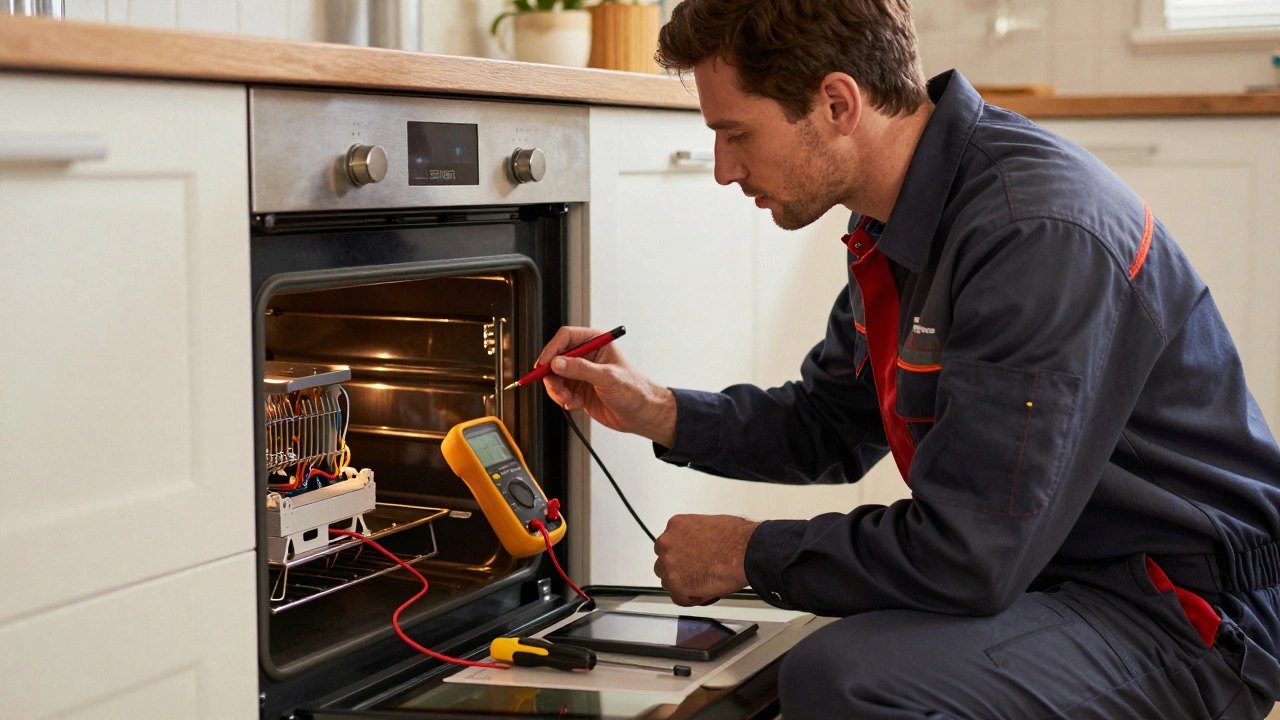
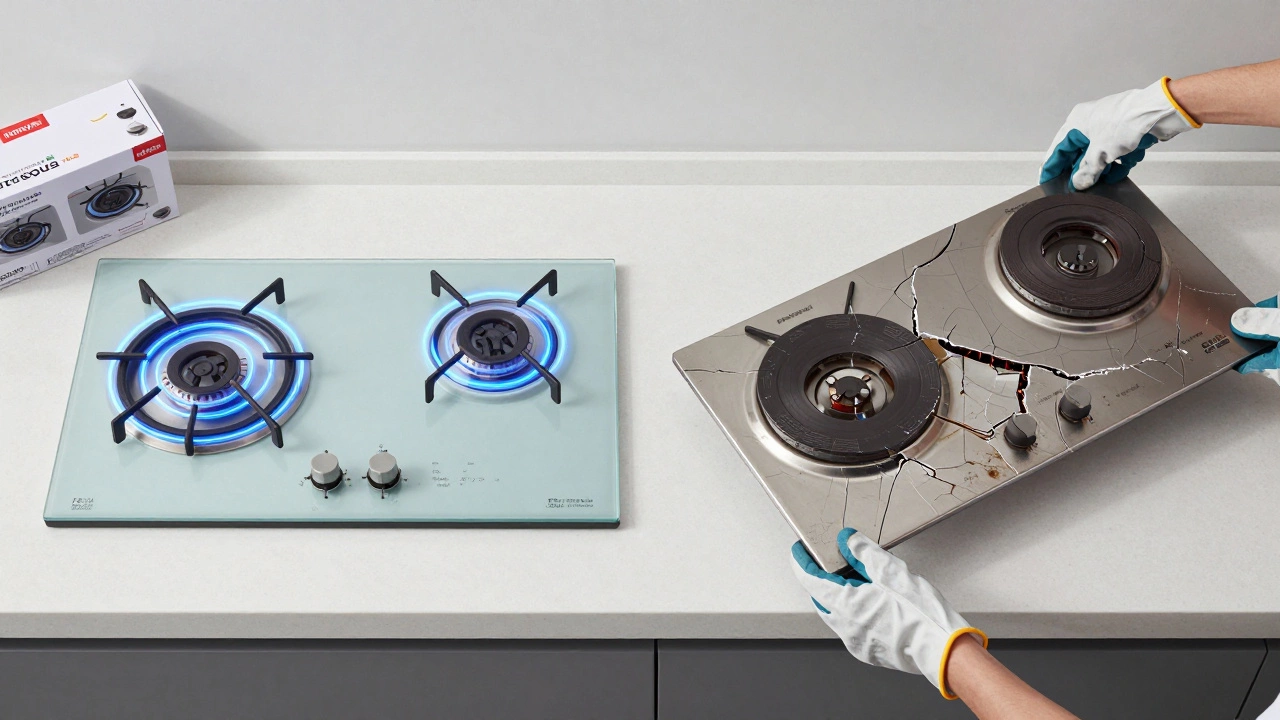
So, is it worth fixing? Use this rule of thumb: If the repair cost exceeds 50% of the price of a new, comparable hob, consider replacing the entire unit. New hobs come with warranties, better energy efficiency ratings, and modern features like touch controls or boost zones.
However, if your hob is high-end (costing over £500 originally) and only has a faulty control board or single element, repairing it makes financial sense. Also, consider the installation hassle. Built-in hobs require precise countertop cutouts. Finding a new model that fits your existing space perfectly can be difficult and expensive, making repair the more practical choice even if it’s pricey.
DIY Risks and Safety Warnings
I know the temptation to save money by doing it yourself is strong. But please, think twice. Glass hobs operate at high voltages and temperatures. Even when unplugged, capacitors in the control board can hold a dangerous charge. Furthermore, improper handling of the glass top can lead to further cracking or shattering, turning a £150 repair into a £400 disaster.
If you decide to attempt a DIY fix, stick to cleaning and basic troubleshooting. Never try to replace internal components unless you are a qualified electrician. The risk of electrocution or damaging the surrounding cabinetry is too high. Always hire a Gas Safe registered engineer if your hob has gas components, or a certified appliance repair technician for electric models.
Preventing Future Damage
Once your hob is fixed, protect your investment. Tempered glass is tough, but it hates thermal shock. Avoid placing ice-cold pans directly onto a hot zone. Similarly, don’t pour cold water on a hot surface to clean it. Let it cool down first.
Use the right cookware. Pots with warped bases concentrate heat on small areas, stressing the glass. Ensure your pans have flat, smooth bottoms that match the size of the heating zone. Regular cleaning with a dedicated ceramic hob scraper removes stubborn residue without scratching the surface, maintaining the efficiency of the heating elements.
Finding a Reliable Technician
Not all repairmen are created equal. Look for engineers who specialize in major appliances rather than general handymen. Check for certifications and read recent customer reviews focusing on punctuality and transparency. Ask if they carry common spare parts in their van; this can save you a second visit and additional labor charges. In Bristol and surrounding areas, local independent technicians often provide faster, more personalized service than big call centers.
Can I use my glass hob if it has a small crack?
No, you should not use a cracked glass hob. Even a hairline fracture compromises the structural integrity of the glass. Heat expansion can cause the crack to spread rapidly, potentially leading to the glass shattering while hot. Additionally, moisture can enter the electrical components, creating a serious shock hazard.
How long does it take to replace a glass hob top?
The physical replacement usually takes 1 to 2 hours. However, if the specific part is not in stock, you may need to wait several days or weeks for the manufacturer to ship it. Always confirm part availability before booking the appointment.
Is it cheaper to buy a new hob or repair an old one?
For minor issues like faulty sensors or elements, repair is cheaper (£80-£150). For cracked glass, replacement is often more economical if your current hob is older than 5-7 years. New entry-level hobs start around £200-£300, so compare the repair quote against this baseline.
What causes glass hobs to crack spontaneously?
Spontaneous cracking is rare but can happen due to manufacturing defects or extreme thermal shock. Dropping a heavy object, using incorrect cookware with uneven bases, or spilling sugary liquids that burn onto the surface and create hot spots are the most common causes of damage.
Do insurance policies cover glass hob repairs?
Standard home insurance rarely covers accidental damage to appliances unless you have added specific contents or appliance cover. Check your policy details for "accidental damage" clauses. Some extended warranties provided by retailers may cover mechanical failures but exclude physical damage like cracks.