- 22 Nov 2026
- Gideon Thornton
- 0
Refrigerator Repair vs. Replace Calculator
Use the "50% Rule" and energy savings estimates to make an informed financial decision about your failing refrigerator.
Enter Your Details
Fill in the details on the left
and click "Analyze Decision"
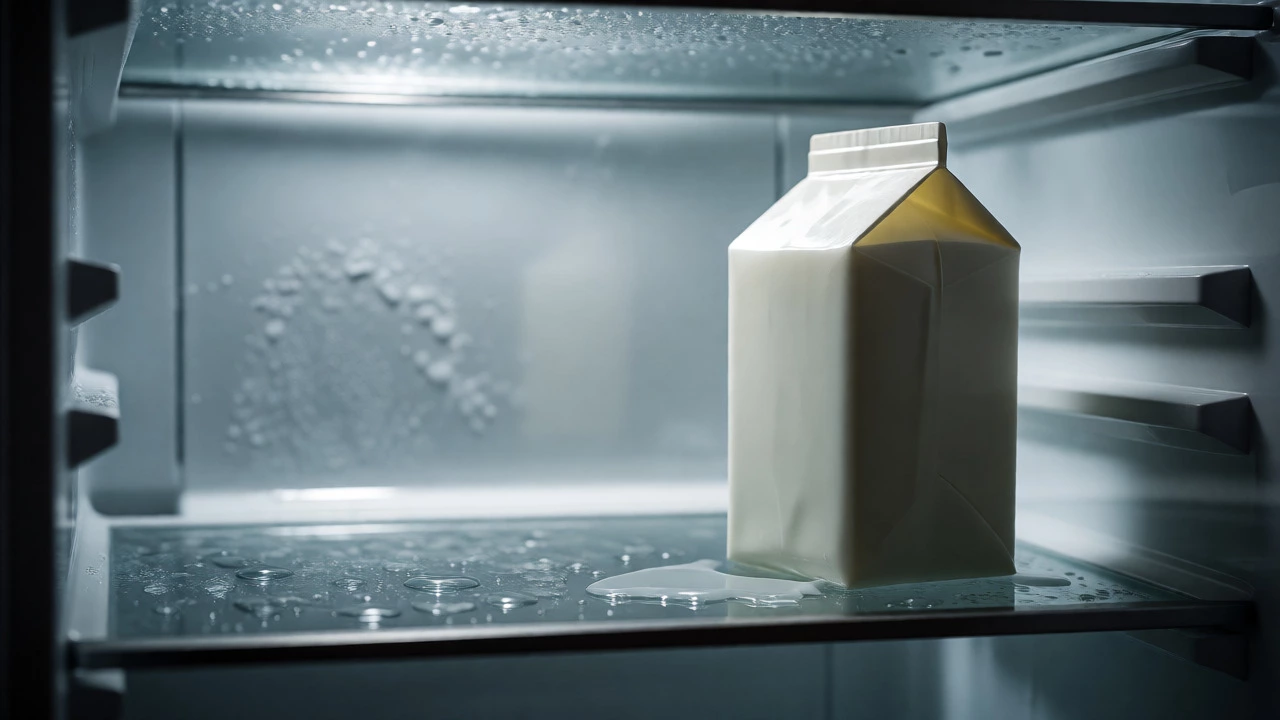
There is nothing quite like the sinking feeling of opening your fridge on a Tuesday morning and finding warm milk. It’s not just an inconvenience; it’s a financial hit that stings every time you toss out spoiled leftovers. But before you panic or rush to buy a new unit, ask yourself this: is your refrigerator actually dead, or is it just asking for help? Most people wait until the motor stops entirely to call a technician, but smart homeowners know that appliances whisper before they scream. If you live in a place like Bristol, where damp winters can stress electrical components, catching these early warnings can save you hundreds of pounds.
Fridge repair isn't always about replacing the whole machine. Often, it's about identifying the specific symptoms indicating that your refrigerator is nearing the end of its life or requires immediate maintenance. By recognizing the difference between a minor glitch and a catastrophic failure, you can decide whether to fix it or replace it. This guide breaks down the physical, auditory, and operational signs that tell you your kitchen workhorse is struggling.
The Temperature Trap: Is It Actually Cooling?
You might think your fridge is fine because the light turns on, but illumination doesn’t equal preservation. The primary job of a refrigerator is to maintain a temperature below 4°C (39°F) to slow bacterial growth. If you notice condensation pooling on the bottom shelf or food spoiling faster than usual, your cooling system is compromised.
A common mistake is trusting the built-in thermometer. Many older models have inaccurate dials. Invest in a standalone appliance thermometer-it costs less than £10 and gives you the truth. Place it in the center of the middle shelf, close the door, and check it after 24 hours. If it reads above 5°C, your compressor, thermostat, or refrigerant levels are likely failing.
- Condensation on walls: Indicates poor insulation or a failing seal.
- Ice buildup on back wall: In manual defrost models, this means the heating element is broken. In frost-free models, it suggests a blocked drain or faulty defrost timer.
- Warm exterior sides: While some heat is normal as the coils dissipate energy, excessive heat combined with a warm interior points to compressor strain.
Listen to the Noise: What Your Compressor is Saying
Refrigerators hum. That low-frequency drone is the sound of the compressor circulating refrigerant. However, when that hum changes pitch or becomes a rattle, pay attention. Sound is one of the most reliable diagnostics for mechanical health.
If you hear a loud clicking sound followed by silence, your start relay might be failing. This component helps kickstart the compressor. If the compressor tries to start, clicks, and then shuts off due to overheating, you’re looking at a repairable issue rather than a total replacement. Conversely, a constant, grinding roar often signals that the compressor bearings are worn out. In many cases, replacing a compressor costs nearly as much as buying a new mid-range fridge, so this is a critical decision point.
| Noise Type | Likely Cause | Severity | Action Required |
|---|---|---|---|
| Clicking | Faulty Start Relay or Overloaded Compressor | Medium | Call a technician for relay replacement |
| Rattling | Loose Fan Blade or Ice Buildup | Low | Clean fan area or defrost manually |
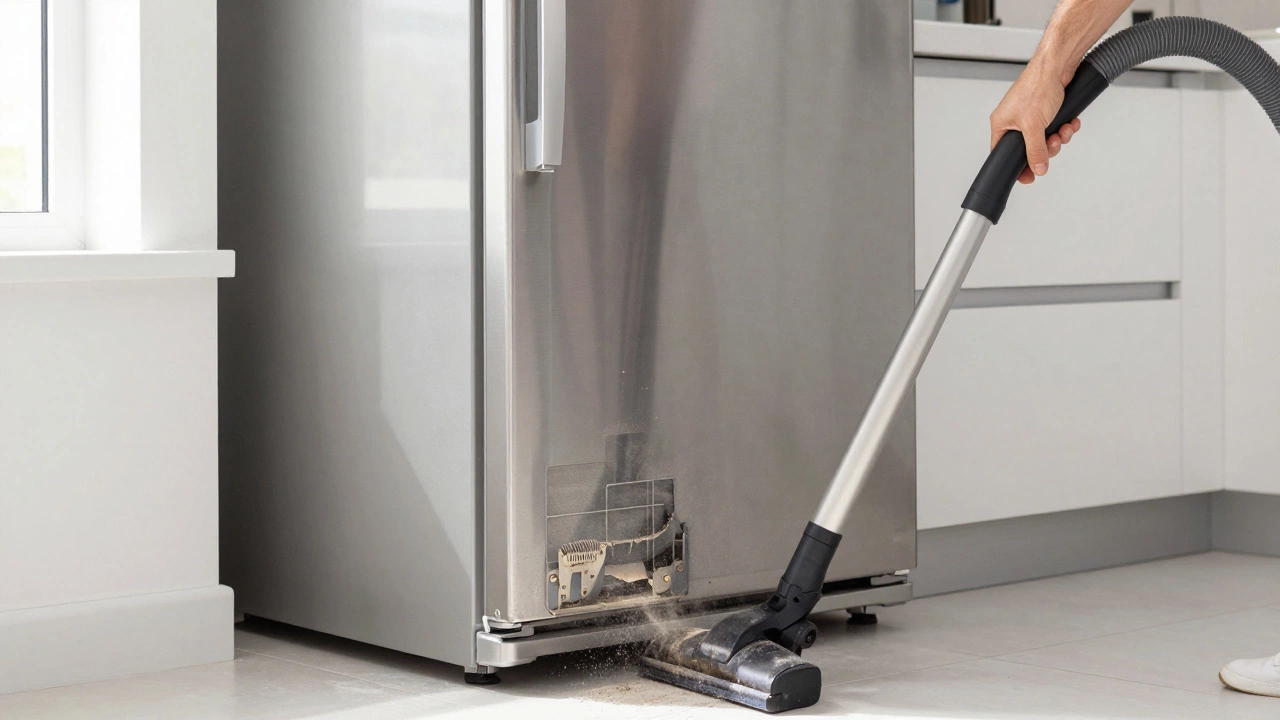
| Buzzing/Humming | Dust on Condenser Coils or Vibrating Pipes | Low | Vacuum coils; adjust fridge feet |
| Grinding/Roaring | Compressor Motor Failure | High | Evaluate cost vs. replacement |
The Door Seal Test: Don’t Let Cold Air Escape
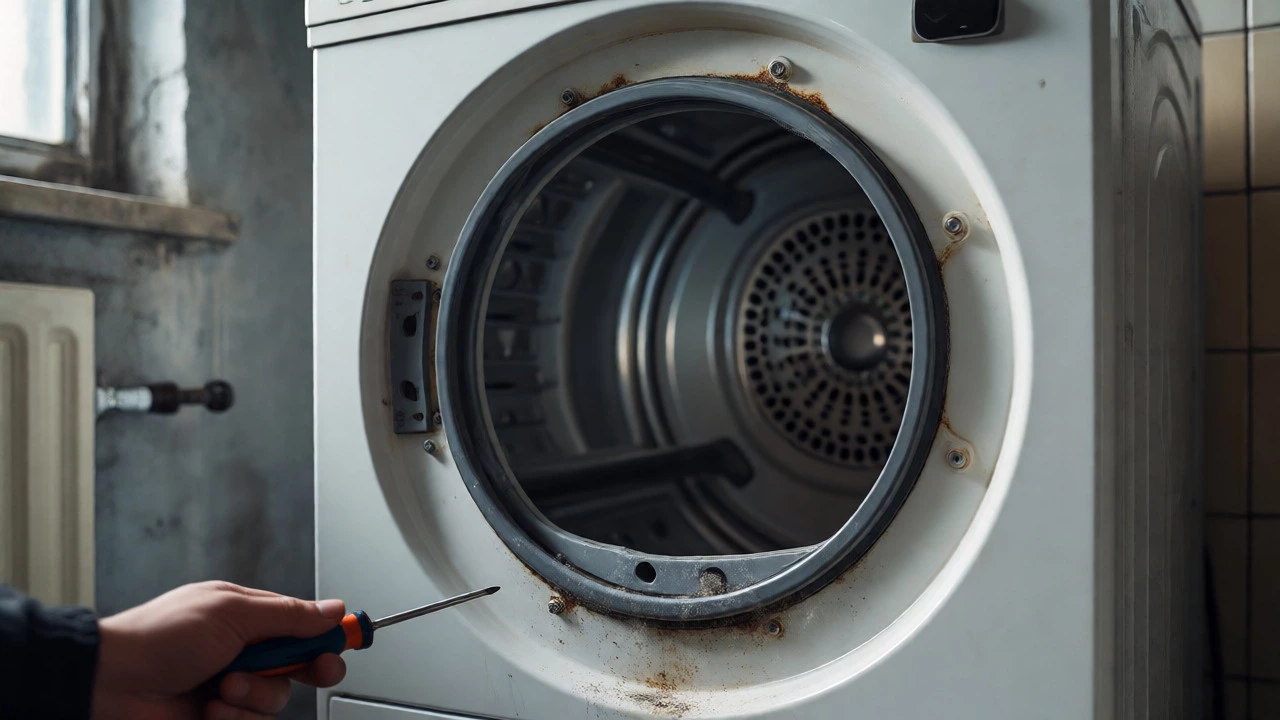
Your refrigerator works hard to keep cold air in. If the rubber gasket around the door is cracked, brittle, or dirty, cold air leaks out, forcing the compressor to run continuously. This leads to higher electricity bills and premature wear on the motor.
Perform the "dollar bill test" tonight. Close the door on a piece of paper currency or a thin sheet of paper. Try to pull it out. If it slides out easily without resistance, your seal is bad. Check all four corners. Sometimes, cleaning the gasket with warm soapy water restores flexibility and creates a tight seal again. If the rubber is torn, replacement kits are widely available for major brands like Bosch, Whirlpool, and Samsung, usually costing under £30.
Water Leaks: Where is it Coming From?
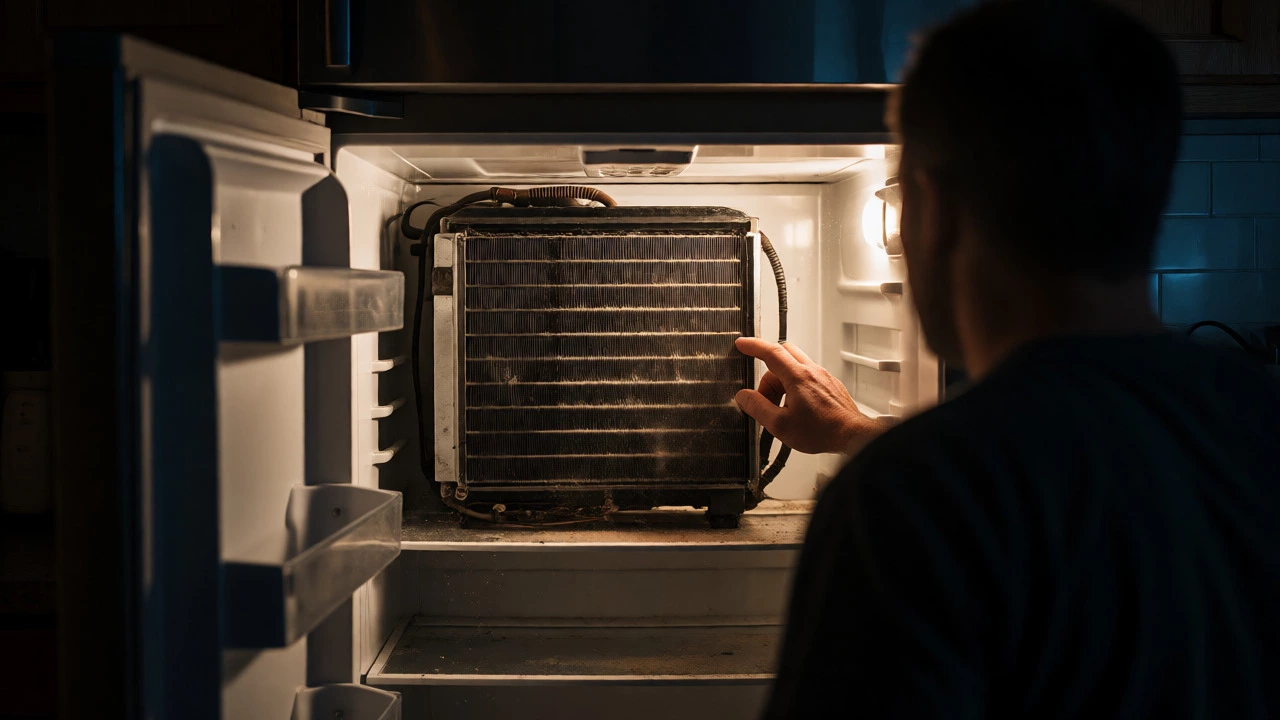
Puddles inside the fridge or underneath it are red flags. They rarely mean the tank has burst; instead, they indicate drainage failures. Modern fridges use a defrost cycle that melts ice into a tray, which then evaporates via the compressor heat. If the drain hole gets clogged with food crumbs or mold, water backs up and spills onto the floor.
Check the drain hole located at the back of the fridge compartment. Use a pipe cleaner or turkey baster with hot water to clear any blockage. If the leak is coming from the back near the compressor, check the water supply line if you have an ice maker. A leaking water line can cause significant water damage to flooring, so address this immediately.
Age and Efficiency: When Repair Doesn’t Make Sense
Even if your fridge runs perfectly, age matters. The average lifespan of a modern refrigerator is 10 to 15 years. Older units, especially those manufactured before 2010, consume significantly more electricity. According to Energy Saving Trust data, replacing a 15-year-old fridge with a modern A-rated model can save you roughly £40-£60 per year in energy costs alone.
Use the "50% Rule": If the cost of repairs exceeds 50% of the price of a new equivalent model, replace it. For example, if a compressor replacement costs £300 and a new comparable fridge costs £500, buy the new one. You get a warranty, better efficiency, and no risk of another component failing next month.
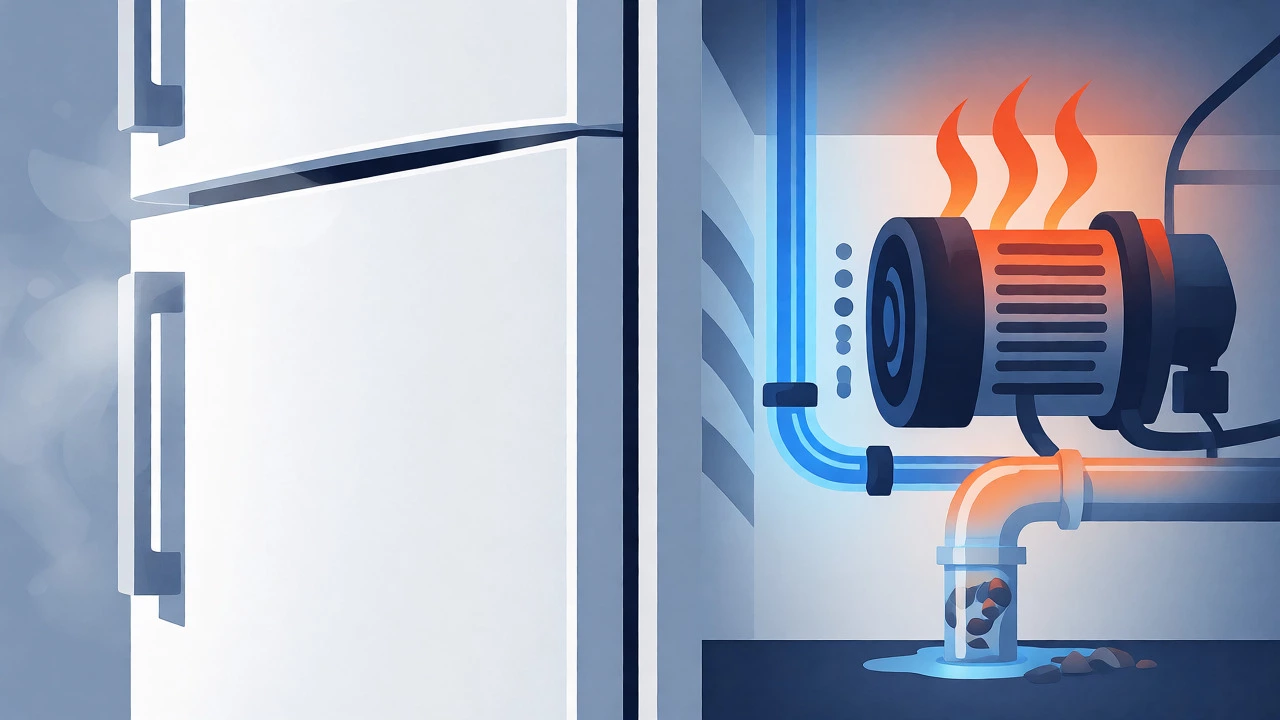
Electrical Issues: Tripping Breakers and Burnt Smells
Does your fridge trip the circuit breaker when it kicks on? This is a serious safety hazard. It usually indicates a short circuit in the wiring or a seized compressor drawing too much amperage. Do not ignore this. Continually resetting the breaker can overheat the wires inside your walls.
Similarly, a burnt plastic smell near the back panel suggests overheating components. Unplug the unit immediately. Dust accumulation on the condenser coils acts as an insulator, preventing heat dissipation. Cleaning these coils twice a year with a coil brush is the single easiest maintenance task you can do to extend your fridge’s life.
Decision Time: Fix It or Bin It?
So, how do you make the final call? Consider the brand reputation and part availability. Some brands, like Liebherr or Miele, have robust service networks and durable parts, making repair a viable option even for older units. Others may have proprietary parts that are expensive or discontinued.
Ask yourself these three questions:
- Is the problem isolated? A broken light bulb or a bad seal is cheap and easy to fix. A failed sealed-system compressor is complex and risky.
- How old is the unit? Under 8 years? Usually worth repairing. Over 12 years? Likely time to upgrade.
- What is the energy rating? If your current fridge is rated G or lower, upgrading saves money long-term.
Why is my fridge running constantly but not cooling?
This usually indicates a loss of refrigerant gas or a faulty compressor. The system is trying to reach the set temperature but cannot remove enough heat. Another possibility is a blocked condenser coil covered in dust, preventing heat exchange. Clean the coils first; if the issue persists, you need a professional to check refrigerant levels.
Can I replace the fridge door seal myself?
Yes, in most cases. Door seals (gaskets) are held in place by a friction fit or screws. You can purchase universal or model-specific kits online. Remove the old seal, clean the groove, and press the new one in firmly. Ensure there are no gaps. It typically takes 15-20 minutes and requires no special tools other than a screwdriver.
How often should I clean my refrigerator condenser coils?
For optimal performance, clean them every six months. If you have pets that shed heavily, consider cleaning them every three to four months. Use a vacuum with a brush attachment or a specialized coil brush to gently remove dust from the fins. Be careful not to bend the delicate fins, as this reduces airflow.
Is it cheaper to repair a fridge or buy a new one?
It depends on the fault and the age. Minor repairs like seals, thermostats, or fans are almost always cheaper. Major repairs involving the compressor or sealed system often cost 50-70% of a new unit's price. If the fridge is older than 10 years, buying new is usually more economical due to improved energy efficiency and warranty coverage.
What does a clicking noise from the back of the fridge mean?
A repetitive clicking sound usually points to a faulty start relay or overload protector. These small electrical components help the compressor start. When they fail, the compressor attempts to start, fails, clicks off, cools down, and tries again. Replacing the relay is a relatively inexpensive fix compared to replacing the entire compressor.
Next Steps for Homeowners
Don’t wait for the food to rot. Start with the free checks today: clean the coils, test the door seal, and listen for unusual noises. If the basics don’t solve the problem, get a quote from a local appliance engineer. Compare that quote against the price of a new, energy-efficient model. Making an informed decision now prevents a crisis later.