- 23 Nov 2026
- Gideon Thornton
- 0
Microwave Lifespan & Repair Estimator
Enter your microwave's details below to get a personalized recommendation.
Assessment Results
Lifespan Factors
- --
- --
- --
Financial Analysis
New Unit Cost: $--
Repair Threshold (50%): $--
Decision Basis: --
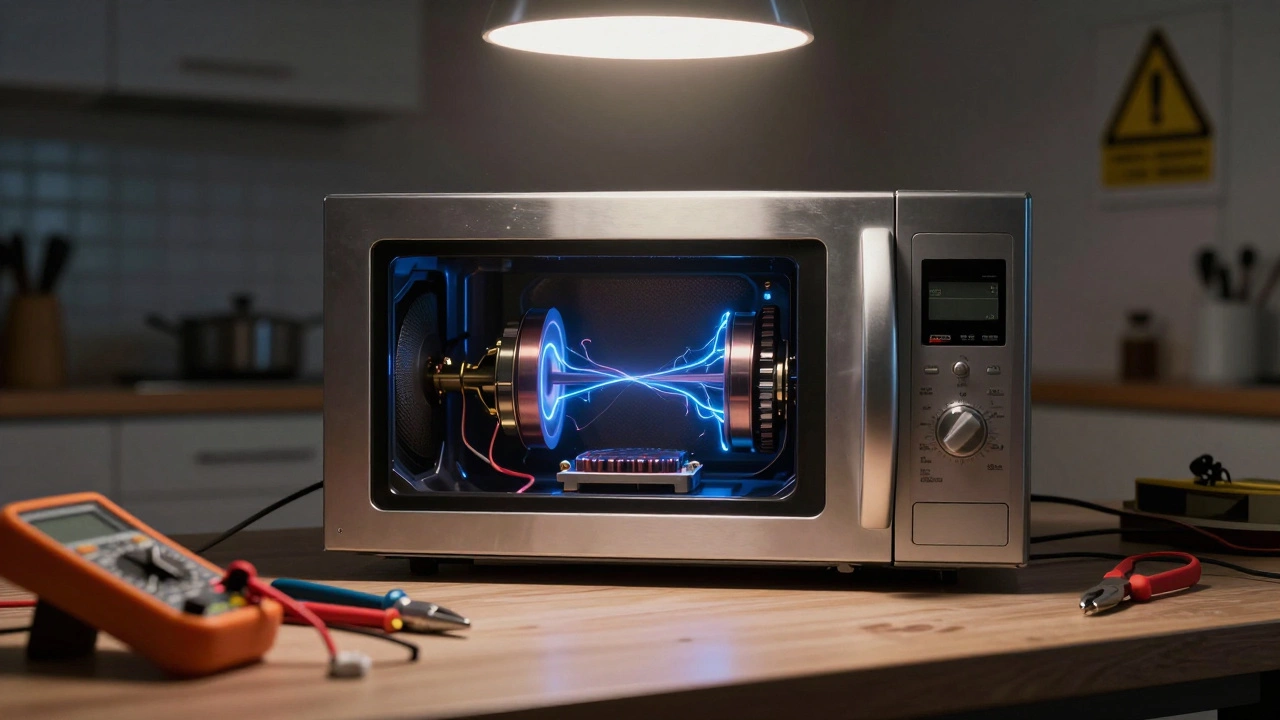
You stare at the spinning plate inside your microwave, wondering if that weird buzzing sound means it’s time to replace it or just clean it. It’s a common dilemma. Unlike a car, you don’t get a check-engine light when your kitchen workhorse starts failing. So, what is the actual lifespan of a microwave? The short answer is about seven to ten years for most households. But that number is a rough average, not a guarantee. Some units die in three years; others chug along for fifteen. The difference usually comes down to how you use it, where you put it, and whether you listen to its warning signs.
The Average Lifespan: What Data Says
Most manufacturers and consumer reports peg the typical life of a countertop microwave between seven and ten years. Built-in models often last longer, sometimes hitting the twelve-year mark, because they’re built with heavier-duty components and better ventilation systems. Why the gap? Countertop units are more exposed to heat from other appliances, accidental spills, and physical bumps. They also tend to be cheaper to produce, meaning fewer high-grade capacitors and diodes inside.
Think of it like shoes. You can buy cheap sneakers that fall apart after six months of daily running, or high-end trainers that last five years. Same concept applies here. A budget $60 microwave might have a magnetron (the part that creates the waves) rated for fewer operating hours than a $300 model. If you’re using your microwave once a day for reheating coffee, it’ll likely hit that ten-year ceiling. If you’re blasting popcorn twice a day and heating up entire dinners, expect closer to five or six years.
Key Factors That Shorten Microwave Life
Your habits matter more than the brand logo on the front panel. Here are the biggest killers of microwave longevity:
- Ventilation blockage: Microwaves need airflow to keep their electronics cool. Pushing one flush against a wall or cabinet blocks the vents. This causes overheating, which fries the circuit board and shortens the life of the fan motor.
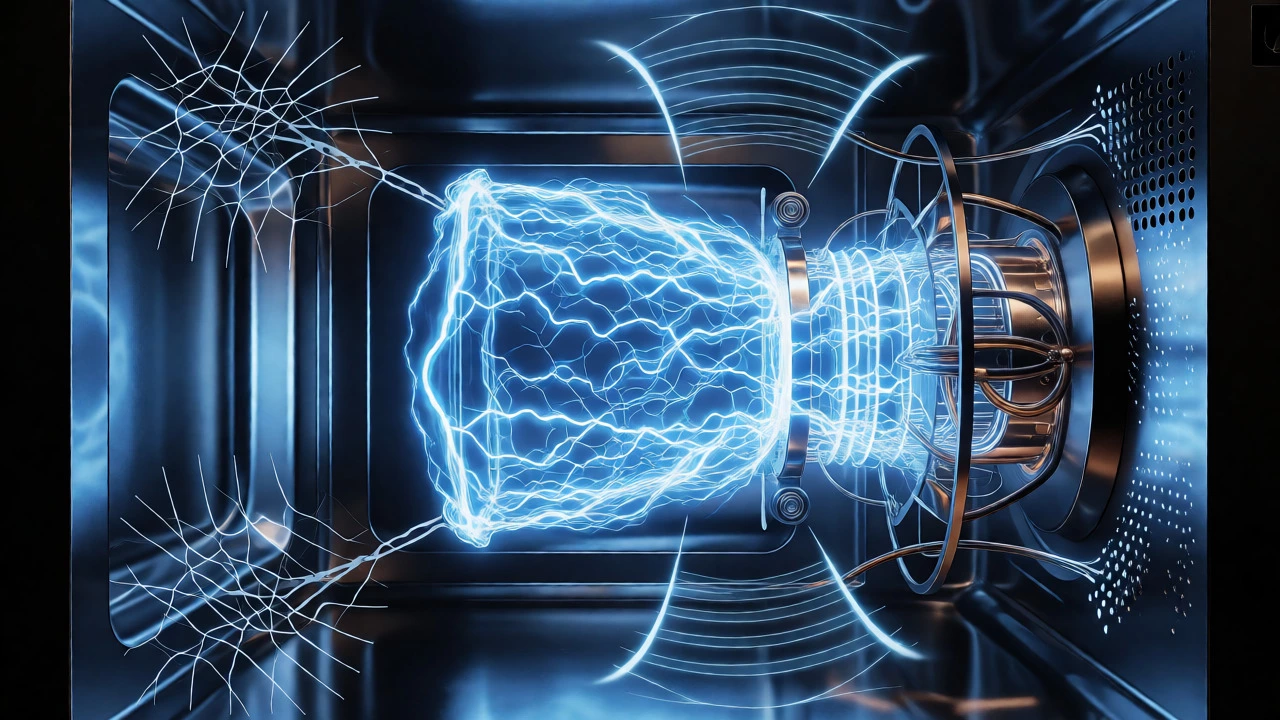
- Running empty: Ever started the microwave without food inside? Bad idea. Without water molecules to absorb the energy, the waves bounce around and reflect back into the magnetron. This stresses the component unnecessarily. Always keep a cup of water nearby if you accidentally start it empty.
- Grease and residue buildup: Splattered grease isn’t just messy; it insulates the interior walls and interferes with wave reflection. Over time, this forces the unit to work harder to heat food, increasing wear on internal parts.
- Power surges: Like any electronic device, microwaves hate voltage spikes. If you live in an area with unstable power, plug your microwave into a surge protector. A single lightning strike or grid fluctuation can kill the control board instantly.
Signs Your Microwave Is Nearing the End
How do you know if your unit is dying versus just needing a fix? Look for these red flags:
- Inconsistent heating: If your coffee is cold on top but boiling hot on the bottom, or if the center of a burrito stays frozen while the edges burn, the magnetron may be weakening. This is often the first sign of major failure.
- Loud noises: A gentle hum is normal. A loud buzz, rattle, or grinding noise isn’t. This could mean the cooling fan bearings are worn out or the turntable motor is failing. Both are repairable, but if the noise comes from deep inside during operation, it might be the diode or capacitor arcing.
- Door issues: If the door doesn’t latch securely, or if you see sparks near the door hinges, stop using it immediately. Damaged door seals leak radiation and cause uneven cooking. While seals are cheap to replace, repeated misalignment can warp the frame.
- Control panel glitches: Buttons that require multiple presses, flickering displays, or timers that reset randomly indicate failing electronics. These repairs can cost nearly as much as a new basic model.
Repair vs. Replace: When Does It Make Sense?
This is the big question. Should you call a technician or head to the store? Use this simple rule of thumb: if the repair cost exceeds 50% of the price of a new comparable model, replace it. For most countertop microwaves, that threshold is around $80-$100. Common repairs include replacing the fuse ($20), the door switch ($30), or the diode/capacitor combo ($100+). High-voltage capacitor repairs involve dangerous stored energy, so always hire a pro unless you’re experienced.
| Component Failure | Avg. Repair Cost | New Unit Price Range | Recommendation |
|---|---|---|---|
| Fuse | $20-$40 | $60-$150 | Repair |
| Door Switch | $30-$60 | $60-$150 | Repair |
| Magnetron | $100-$150 | $80-$200 | Replace (usually) |
| Control Board | $80-$120 | $100-$250 | Depends on age |
If your microwave is less than five years old and the issue is minor (like a broken handle or bad seal), repair it. If it’s over eight years old and the magnetron or main board fails, buy a new one. Technology has improved too-newer models are more energy-efficient and offer better sensor cooking features.
Extending Your Microwave’s Life
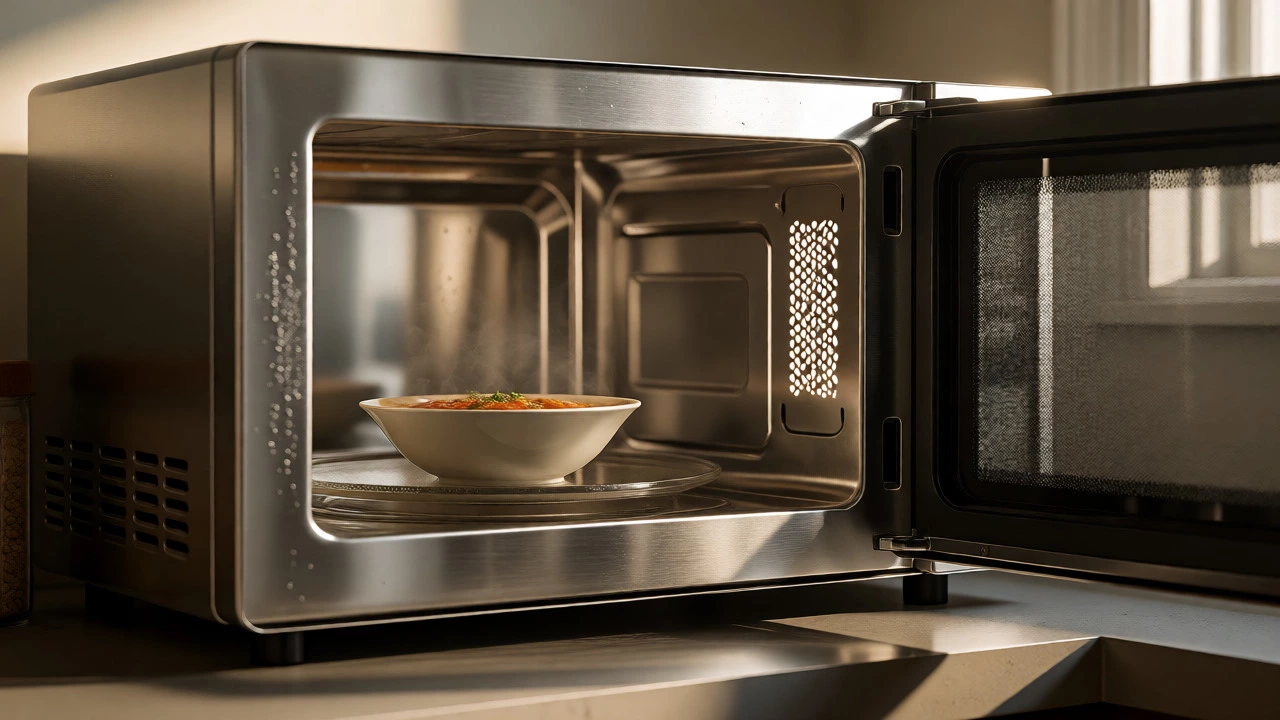
You can push past the average lifespan with some simple maintenance. Clean the interior weekly with mild soap and water. Avoid abrasive scrubbers that scratch the enamel coating, as scratches can lead to rust and sparking. Check the door seal monthly for cracks or debris. Ensure there’s at least two inches of clearance on all sides for ventilation. And please, stop putting metal foil in there-it’s a shortcut to disaster.
Also, consider usage patterns. If you reheat liquids frequently, stir them halfway through to prevent superheating explosions that can damage the interior. If you cook dense foods, let them stand for a minute after cooking to allow heat distribution, reducing the need for second runs that stress the unit.
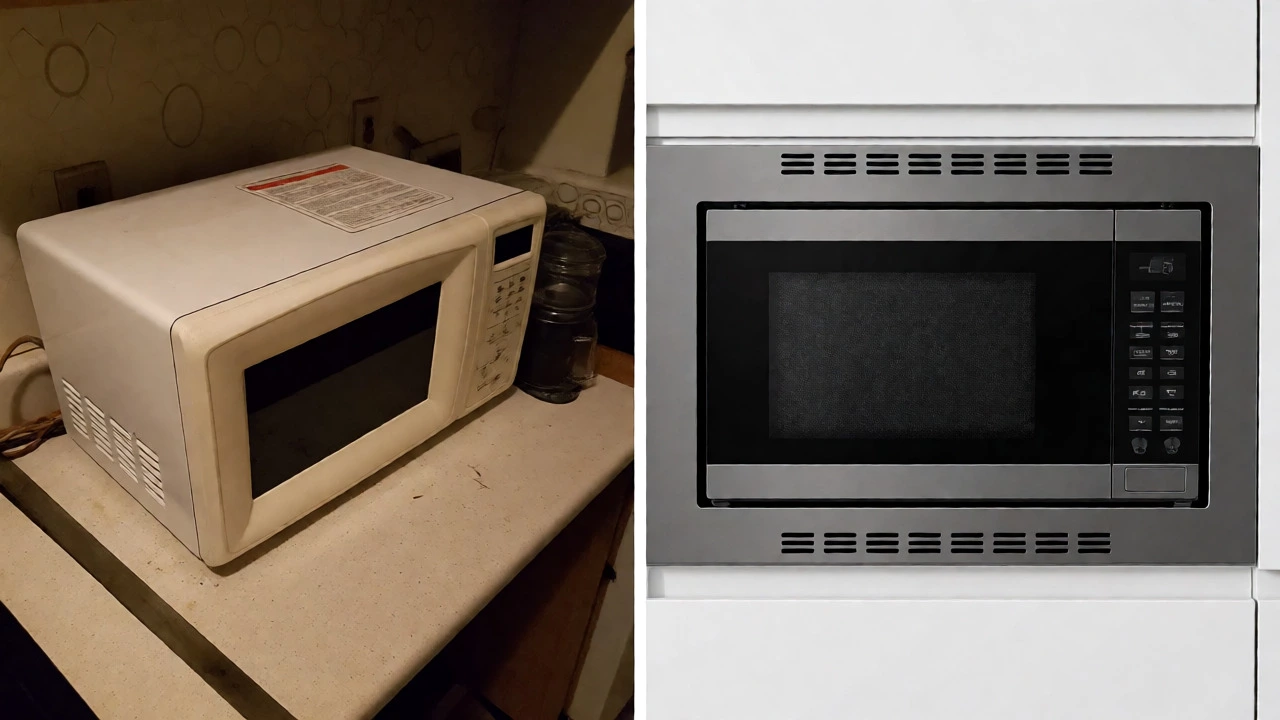
Built-In vs. Countertop: Longevity Differences
Built-in microwaves generally outlast countertop models. Why? They’re installed in cabinetry with dedicated venting paths, keeping internal temperatures lower. They also tend to be commercial-grade appliances designed for higher duty cycles. However, they’re harder to access for repairs. If a built-in unit fails, labor costs are higher due to removal and reinstallation. Countertop units are easier to service but suffer more environmental abuse. Choose based on your kitchen layout and how heavily you plan to use it.
Frequently Asked Questions
Can a microwave last 15 years?
Yes, but it’s rare. A microwave lasting 15 years usually means it was lightly used, well-ventilated, and perhaps had one or two minor repairs (like a fuse or door switch replacement). Heavy daily use rarely supports such longevity.
Is it safe to use a microwave that makes a buzzing noise?
It depends on the source. A slight hum is normal. A loud buzz often indicates a failing diode, capacitor, or fan. While it might still heat food, continuing to use it risks electrical shorts or fire. Have it inspected promptly.
Do microwaves lose power over time?
Not significantly. The magnetron produces consistent wattage until it fails completely. However, users often perceive slower heating due to dirty interiors blocking waves or degraded door seals causing leakage, not actual power loss.
How often should I clean my microwave?
Wipe up spills immediately to prevent baking onto surfaces. Do a thorough cleaning once a week using a bowl of water with lemon juice or vinegar heated for three minutes to loosen grime. This maintains efficiency and prevents odor buildup.
Is repairing a microwave worth it?
For units under five years old with minor issues (fuse, switch, seal), yes. For older units with major component failures (magnetron, board), no. New microwaves are affordable, efficient, and come with warranties.